

What Causes Motor Rotor Bar Failure in Induction Motors?
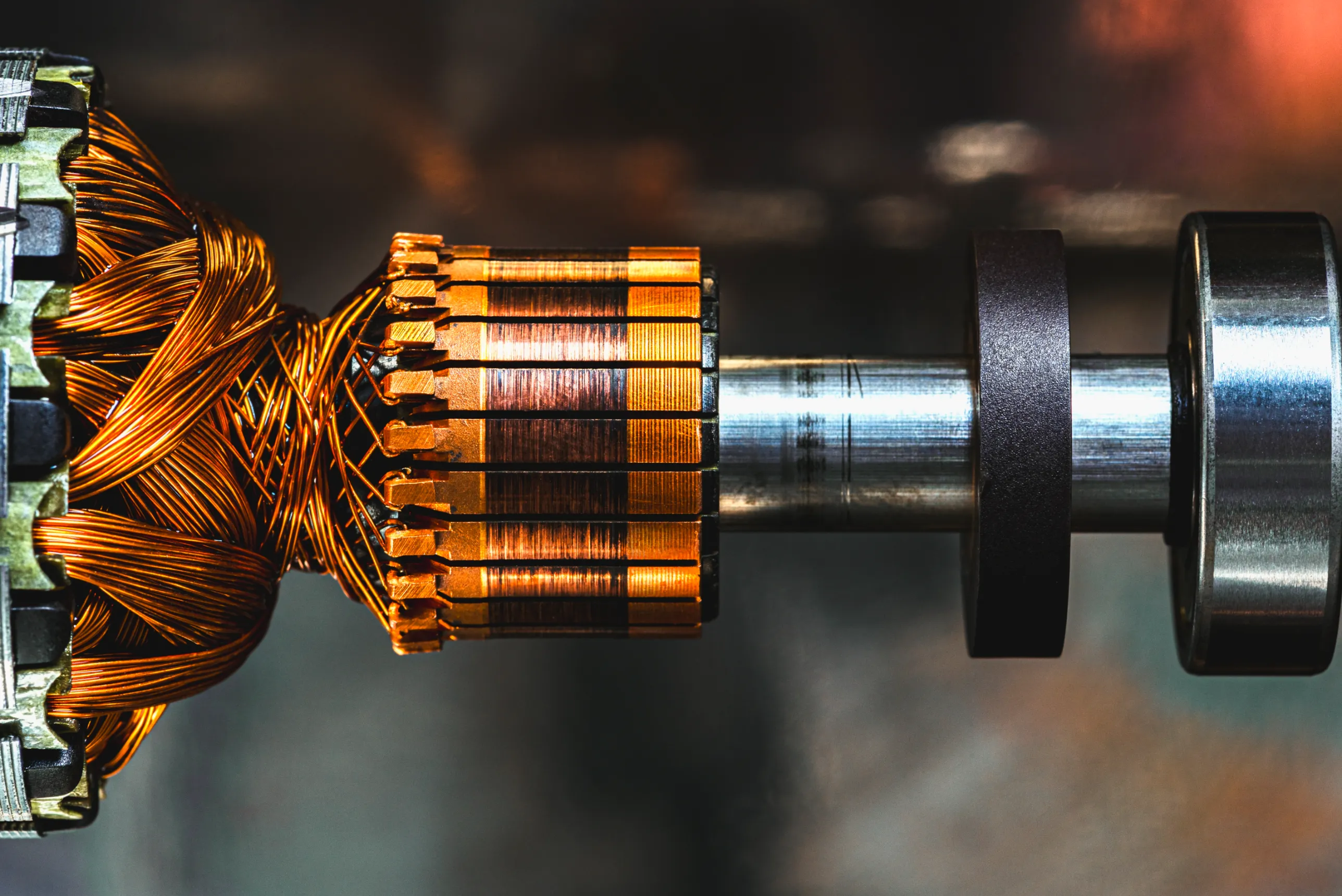
Rotor bars in an induction motor fail from heat and mechanical stress. The heaviest dose arrives at startup. Manufacturing flaws give that stress a place to begin. Rough running conditions keep it going. Rotor faults account for only about 10% of induction motor failures, well behind bearings and stator windings. The trouble is that a cage rarely stops at one broken bar.
Starting does the most damage
An across-the-line start pulls six to eight times the full-load current. The rotor bars carry their share of it until the motor reaches speed. The heat lands hardest where the bars meet the end rings. Bars and rings expand, then cool and contract. Every start repeats the cycle.
The load decides how long each start lasts. Fans, compressors, and other high-inertia loads stretch acceleration time, which keeps that current flowing longer. Frequent starts compound it, since fatigue builds with each one. Soft starting cuts the inrush the cage must absorb. Once the motor is running, supply voltage unbalance, overloads, and load swings add their own heat and vibration to a cage that’s already working hard.
How the rotor was made decides where it tends to break:
- Die-cast aluminum rotors can carry porosity, voids, or incomplete bonding from the casting process.
- Fabricated copper rotors tend to crack at the joints where each bar meets the end ring.
- Bars that sit loose in their slots wear and fret against the laminations over time.
None of these makes a rotor fail on its own. Each one gives starting stress a place to concentrate.
Why one broken bar becomes several
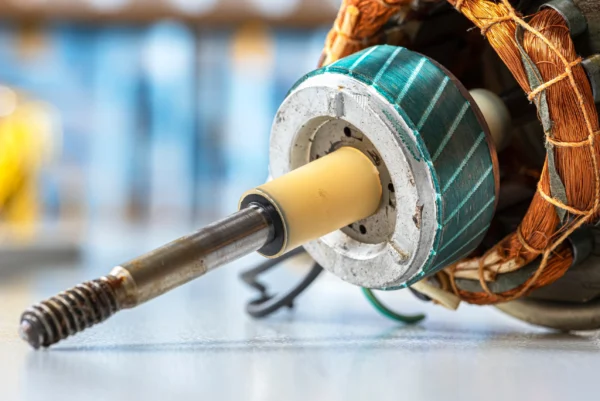
A broken bar stops carrying its share of current, and the bars beside it pick up the difference. In one university lab test on a 5-horsepower motor, the bars next to a break carried about 22% more current than healthy bars did. More current means more heat and more stress in bars that were already under load. As a result, a single broken bar typically progresses to several within months. As the damage spreads, torque pulsates, vibration climbs, and fragments of failed bars can eventually reach the stator winding.
Catching it before teardown
A damaged cage shows up in the motor’s running data well before the rotor comes out. The signs worth watching include:
- Sidebands around line frequency in motor current signature analysis, which grow as bars break
- Longer acceleration times than the motor needed when it was healthy
- Speed and torque pulsation, sometimes heard as a rhythmic beat from the motor
- Higher running current at the rated load
Current signature readings mean the most when they’re trended against a healthy baseline. Voltage balance gets checked first since unbalance can produce a false reading. Offline, a single-phase rotor test turns the shaft slowly under reduced voltage and watches for current that varies as a damaged bar passes. Once the rotor is out, where a crack sits on the bar points to what caused it.
Count the starts
A rotor cage ages more by the start than by the hour. The starting method, inertia of the load, and how often the motor cycles decide how fast fatigue builds at the bar joints, and all three are choices a plant can revisit. A motor that’s due for a rotor repair is also due for a look at how it gets started.
A motor that’s slow to reach speed or pulling more current at the same load may have a cage that’s already cracking. Global Electronic Services tests AC motors for rotor bar faults, static and running, and repairs what the testing finds. Contact us for Repair, Sales & Service of Industrial Electronics, Servo Motors, AC & DC Motors, Hydraulics & Pneumatics — don’t forget to like and follow us on Facebook, LinkedIn, YouTube, and X!
