

The Hidden Risks of Aging HMI Hardware
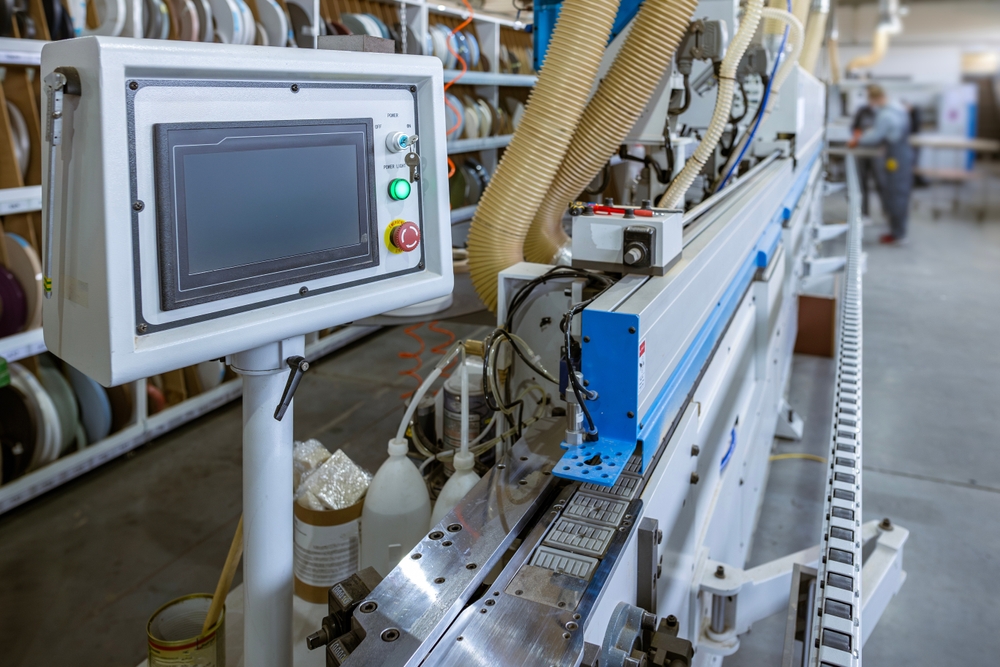
Human-machine interfaces (HMIs) are easy to overlook on a maintenance schedule. They don’t spin, don’t generate significant heat, and don’t make noise. They sit on the panel and display information. So when one starts showing its age — a sluggish touchscreen, a dimming display, or the occasional freeze — the tendency is to tolerate it. This tolerance has a cost.
Aging HMI hardware carries risks that extend well beyond operator inconvenience, and most of them don’t surface until something has already gone wrong.
How a hardware failure takes more than the screen down
HMI components degrade over time like any other electronics. In environments with sustained heat, vibration, or contamination, this degradation accelerates. The physical warning signs tend to show up gradually:
- Backlight dimming or uneven illumination across the display
- Touchscreen response slowing or developing dead zones
- Intermittent freezes or longer boot times
- Capacitor wear causing erratic behavior or unexpected restarts
What catches facilities off guard is how much goes down with the HMI when it finally fails. Alarms go unseen. Parameters can’t be adjusted. The line may still be running, but it’s effectively blind. In process-dependent applications, like temperature control, pressure management, and motion sequencing, this loss of visibility isn’t just inconvenient. It’s a production risk.
Why replacement parts don’t stay available forever
HMI models get discontinued. When they do, the supply of compatible replacement units and components shrinks steadily. What remains gets expensive. Facilities running hardware that’s 10 to 15 years old often discover this at the worst possible moment: mid-failure with a line down and no direct replacement available anywhere in the supply chain.
Repair becomes a sourcing problem as much as a technical one. Lead times stretch. Workarounds get expensive. What would have been a straightforward swap on newer hardware turns into a multi-day outage while a compatible unit is tracked down. The age of the hardware determines how hard that search is going to be.

Why legacy hardware is a growing cybersecurity liability
Older HMIs frequently run outdated operating systems and firmware with no viable path to security updates. That’s not a static vulnerability; it compounds over time. Specific exposure points include:
- Unpatched operating systems with known, publicly documented exploits
- Legacy communication protocols with no encryption or authentication
- No support for modern user-access controls or role-based permissions
- Increasing network connectivity that puts unsecured hardware on the same infrastructure as enterprise systems
As more facilities connect equipment to plant networks, an aging HMI without modern security features becomes an entry point. The machine may be running fine. The security posture around it isn’t.
How aging HMIs create integration ceilings
Modern automation infrastructure, including PLCs, SCADA platforms, and IIoT devices, communicate over protocols like EtherNet/IP, Profinet, and Modbus TCP. Older HMI hardware may support none of these natively or only through workarounds that add complexity and introduce data gaps.
The practical result is that the HMI becomes a bottleneck. It limits what data can be collected, what systems can be integrated, and how much visibility operators have. Facilities trying to move toward predictive maintenance, real-time analytics, or broader digital transformation often find that the HMI is the ceiling, not because of software, but because the hardware can’t keep up.
Why the window into the process matters
The HMI is how operators see and interact with everything running behind it. When that interface is unreliable, slow, or increasingly difficult to support, the whole operation absorbs the friction. Managing HMI hardware as a real asset — with a lifecycle, a replacement plan, and proactive maintenance — is how facilities stay ahead of the risks rather than responding to them.
