

Summer Is Hard on Equipment. Here’s What To Do Before the Heat Hits

Summer in a manufacturing plant means ambient temperatures that were already elevated get worse. Equipment that was running at the edge of its thermal limits in spring starts failing in July. The compounding factors hit every major equipment category at the same time: higher ambient temperatures, longer runtime hours, reduced cooling margins, and more moisture in compressed air systems.
The checklist below covers the areas where proactive attention before peak heat pays off most.
Electrical enclosures and drives
Summer ambient temperatures push enclosure interiors well past the 40-degree-C threshold most drives are rated for. Restricted airflow from loaded filter mats compounds the problem fast.
- Replace enclosure filter mats before airflow restriction compounds summer heat loads.
- Verify cooling units are functional before ambient temperatures trigger a thermal trip.
- Confirm VFD derating thresholds against expected summer ambient temperatures.
- Trend heat sink temperature parameters on drives and establish a baseline now.
- Check door gaskets and enclosure seals for gaps that allow summer humidity to enter.
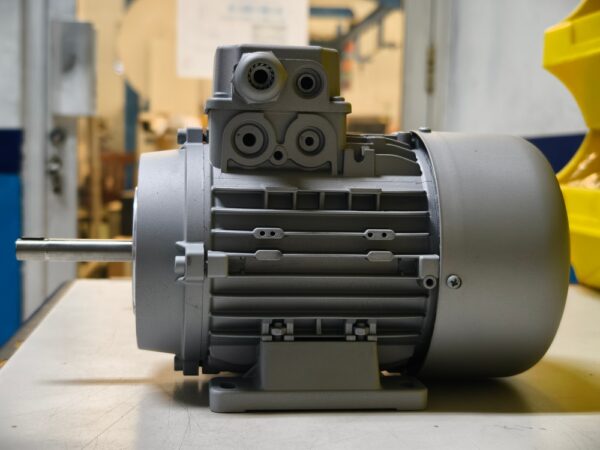
Motors
Heat accelerates insulation degradation, thins bearing lubricants, and reduces the thermal headroom that keeps motors running within their design limits.
- Run insulation resistance tests on motors in high-ambient or outdoor locations.
- Clear debris from external fan covers and verify cooling fan operation.
- Check bearing grease condition and regrease per manufacturer recommendations.
- Flag motors already running near their service factor limit.
- Check shaft alignment on motors mounted to equipment subject to thermal expansion.
Hydraulic systems
Elevated ambient temperatures thin hydraulic fluid below the effective lubrication range, stress seals and hoses, and reduce the system’s ability to shed heat through the fluid.
- Check hydraulic fluid viscosity and condition against summer operating expectations.
- Inspect the oil cooler for fouling, blocked fins, and adequate coolant flow.
- Check fluid levels and adjust as necessary to ensure proper heat management.
- Inspect hoses and seals for heat stress cracking before temperatures climb further.
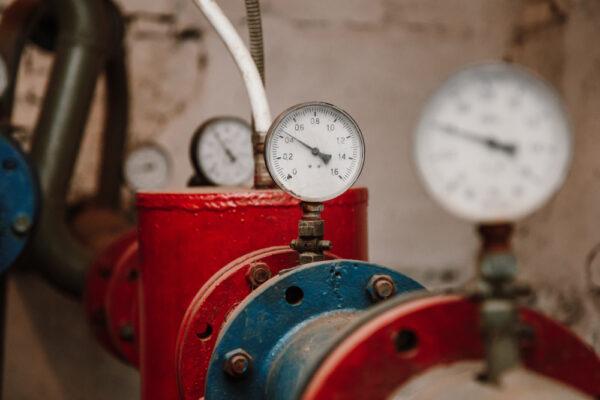
Pneumatic systems
Hot ambient air means more moisture in the compressed air stream, harder-working compressors, and cooling components that were marginal in spring running at their limits by midsummer.
- Check compressor intake conditions and verify compressor room ventilation is adequate.
- Inspect FRL filter bowls for water accumulation from increased summer moisture load.
- Verify automatic drain function and adjust drain intervals for higher summer condensate.
- Inspect intercooler and aftercooler conditions on the compressor.
- Check compressed air dryer performance against summer dew point loads.
- Inspect compressor belt tension and condition (heat accelerates wear and slippage).
PLCs and control panels
Heat and humidity accelerate the connection, battery, and cooling failures that cause intermittent faults and control system instability.
- Inspect panel cooling fans and verify airflow through control cabinets.
- Check terminal connections for loosening from seasonal thermal cycling.
- Verify the UPS battery condition, as heat is the leading cause of premature battery failure.
- Check I/O module seating and connector integrity.
- Verify panel internal temperatures against PLC manufacturer ambient ratings.
How to get ahead of summer failures
Summer failures are the predictable result of marginal conditions meeting equipment already running at the edge of its thermal limits. Most of what causes a July breakdown was visible in May — a filter mat that needed replacement, a cooler that needed cleaning, or a motor running warmer than it should. While the checklists above won’t prevent everything, they can help identify the conditions most likely to become failures before they get a chance to.
