

How To Detect Motor Shaft Misalignment Before It Causes Bearing Failure
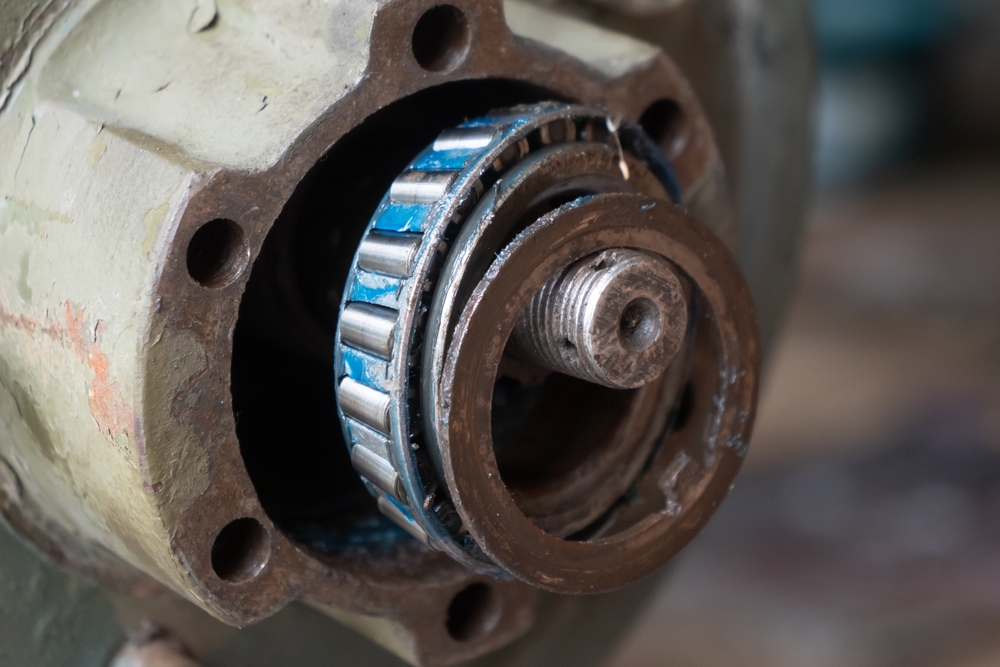
Motor shaft misalignment doesn’t usually start with dramatic symptoms. It starts with tiny shifts that most teams never see. A bumped gearbox, a slightly uneven mounting surface, or a rushed realignment after maintenance is often all it takes. From there, the shaft begins transferring load unevenly into the bearings, creating stresses that slowly build with every hour of operation.
Catching these early cues is the best way to prevent a small alignment drift from turning into a full-scale bearing failure.
Why misalignment leads to bearing failure
Bearings are designed to carry loads evenly across their races and rolling elements. Misalignment disrupts that balance. When a motor shaft isn’t properly aligned with the driven equipment — whether due to angular error, parallel offset, soft foot, or mounting issues — the bearing surfaces shoulder uneven forces. This results in elevated friction, localized heat, and accelerated wear.
What starts as a slight imbalance gradually becomes a larger problem. The bearing begins to develop micro-spalls, lubrication degrades faster, and rolling elements lose smooth movement. Over time, misalignment that seems minor can turn into a complete bearing failure.
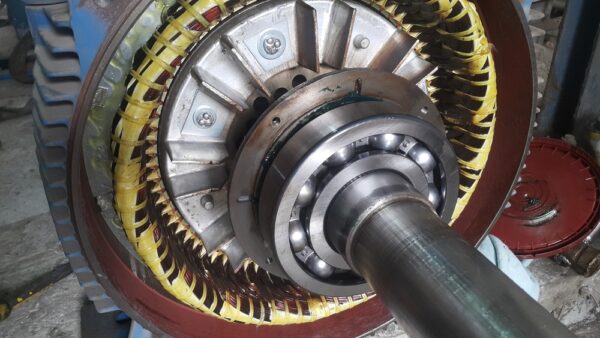
Early indicators of shaft misalignment
Most bearing issues appear before noticeable performance problems begin, making proactive and regular inspections crucial for equipment upkeep. Detecting misalignment early requires knowing what subtle signals to look for:
- Abnormal vibration patterns: Vibration changes are often the first clue. Misalignment increases axial and radial vibration, often showing new or intensified frequency signatures. Even small deviations from baseline trends can signal developing alignment issues and should be investigated early.
- Elevated bearing temperatures: Misalignment forces bearings to work harder, causing a gradual temperature rise under otherwise normal operating conditions. Thermal imaging can highlight early hotspots that indicate excessive friction. While temperature alone doesn’t confirm misalignment, it’s a strong indicator.
- Increased power consumption: A misaligned shaft creates extra resistance, leading the motor to draw more current than usual. Small but steady increases in energy use — especially without changes in load — often point to emerging misalignment. Power monitoring helps spot these subtle changes before they lead to bearing wear.
- Audible clues: Uneven rotational forces can create subtle rubbing, whining, or grinding noises. Any new or unusual sound coming from the motor or coupling area is worth checking before it escalates. While sound is subjective, any new or unusual noise deserves investigation.
- Lubricant breakdown: Misalignment stresses the bearing lubricant, causing it to break down faster. Grease may appear darker, thinner, or may leak past seals due to excess heat and pressure. Lubrication problems are often dismissed as routine maintenance issues, but they can be early signs of deeper mechanical stress caused by misalignment.
Together, these indicators create a clear picture. Even if each symptom seems small on its own, the combination nearly always points to alignment drift.
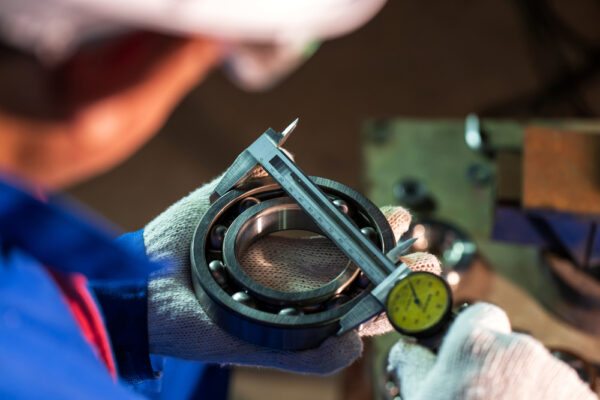
Simple on-the-floor checks
Early misalignment symptoms aren’t always hidden in data. These simple checks help teams catch alignment drift before it damages bearings:
- Look for coupling wear or dust patterns that indicate rubbing or uneven rotation.
- Inspect guards and housings for scrape marks or contact points.
- Verify mounting hardware to ensure bolts haven’t loosened over time.
- Check for soft foot conditions using feeler gauges to confirm that all motor feet sit evenly.
Don’t wait for bearing damage to appear
Misalignment doesn’t usually cause sudden failure. It quietly reduces bearing life through steady heat, friction, and uneven loading. By paying attention to early signals — vibration changes, rising temperatures, power fluctuations, unusual noises, and lubrication issues — teams can catch problems long before they turn into major repairs.
