

Electrolytic Capacitor Failures: Why Aging Boards Lose Reliability
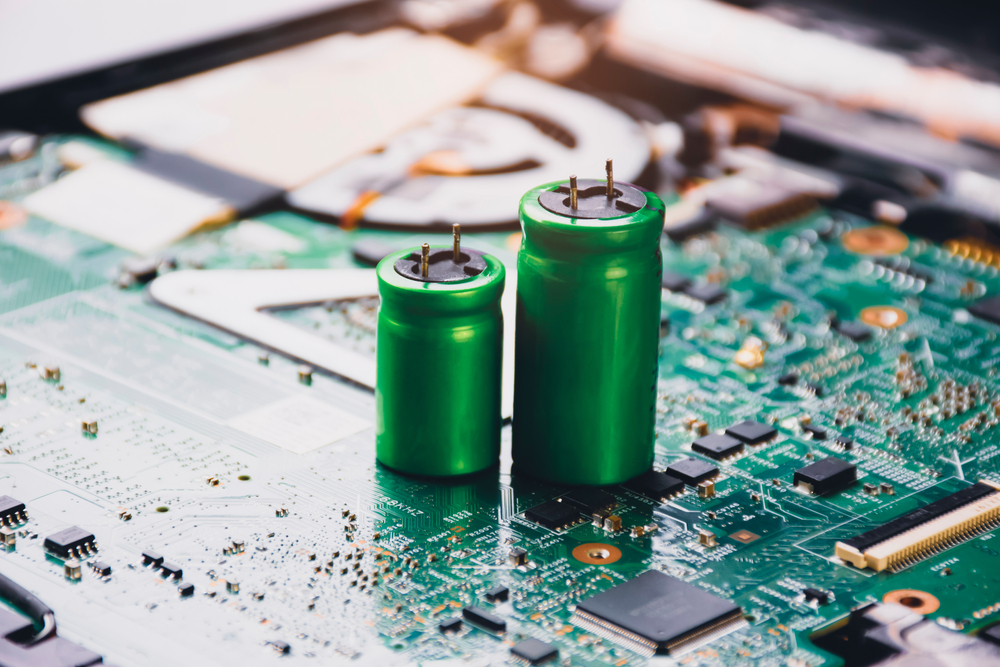
Industrial circuit boards are expected to deliver consistent performance over years of operation. Yet when they begin to fail, the culprit is often the same small component: the electrolytic capacitor. These parts may not draw much attention, but they play an outsized role in filtering, stabilizing, and smoothing voltage across the board. As they age, capacitors are typically the first components to lose reliability — and once they do, entire systems can suffer.
The role of electrolytic capacitors
The primary job of electrolytic capacitors is to manage voltage fluctuations, absorb spikes, and ensure steady current flow to sensitive components. In power supplies, drives, and control boards, they act like shock absorbers for electricity, reducing noise and ripple that could otherwise damage delicate circuits.
Without functioning capacitors, boards quickly become unstable. Power supplies may fail to regulate properly, control systems may behave erratically, and in some cases, equipment may not power up at all.
Why and how electrolytic capacitors fail
Electrolytic capacitors are often called the “silent guardians” of industrial electronics — unnoticed when they work, but a source of major problems when they don’t. And often, they work fine … until they don’t. Thankfully, there are warning signs that create a window of opportunity to address failing capacitors.
Why capacitors fail
Heat dries out the electrolyte, ripple currents create internal stress, voltage near or above rated limits weakens insulation, and harsh environments (dust, heat, humidity) accelerate wear. Each of these factors reduces capacitance and filtering ability, leaving boards more vulnerable to instability over time.
What to look for
Swelling, bulging, or leaking components; unstable voltage or increased electrical noise; startup failures or reboots under load; and localized hot spots around capacitor locations on the board — these symptoms often appear gradually, giving maintenance teams a window of opportunity to act before complete failure occurs.

Best practices for managing aging boards
Since capacitor aging is inevitable, proactive management is the key to extending the life of industrial electronics. Some of the most effective practices include:
- Preventive maintenance: Electrical testing methods, such as equivalent series resistance measurements, can identify weak capacitors even when no physical signs are present.
- Proactive replacement: Known as “re-capping,” replacing electrolytic capacitors before they fail is a proven way to restore aging boards.
- Use quality replacements: Not all capacitors are created equal. Choosing high-quality, properly rated replacements ensures reliability and avoids premature repeat failures.
- Partner with experts: Experienced repair providers can evaluate aging boards, replace capacitors in bulk, and test performance to OEM standards.
Proactive care prevents costly failures
Electrolytic capacitor failures are predictable, visible, and — most importantly — preventable. By recognizing the role these components play, watching for the signs of deterioration, and replacing them proactively, manufacturers can extend the service life of aging boards.
What seems like a small component can have a big impact on reliability, but with the right maintenance practices, it doesn’t have to become a costly weak link.
