

5 Signs a Pneumatic Cylinder Needs Repair
A hissing seal or a sluggish stroke doesn’t shut a line down on its own. It’s the accumulation of missed signals that eventually turns a seal kit into a full cylinder replacement and a shift lost to changeout. The five signs below show up well before a cylinder quits, and catching any one of them early is what keeps the repair small.
1. Air leaks at the rod, cap, or fittings
A hissing sound near the rod seal, cap seal, or fitting means air is escaping somewhere it shouldn’t. A small leak lowers efficiency and forces the compressor to work harder to hold pressure. Left alone, it tends to get worse, not better. Air leaks are often the first sign a cylinder gives, and the easiest to ignore, even as the wasted air adds cost to the utility bill on top of the wear it signals.
2. Sluggish or inconsistent stroke speed
A cylinder that used to snap through its stroke and now crawls through it is showing worn seals, contaminated air, or internal restriction. The pattern matters. Slow in both directions usually points to a system-wide issue like low pressure, while slow in one direction points to something local to that cylinder. Left alone, that lag tends to show up next as a missed cycle time on anything running to a takt or a PLC timeout.
3. Reduced force or a rod that won’t fully stroke
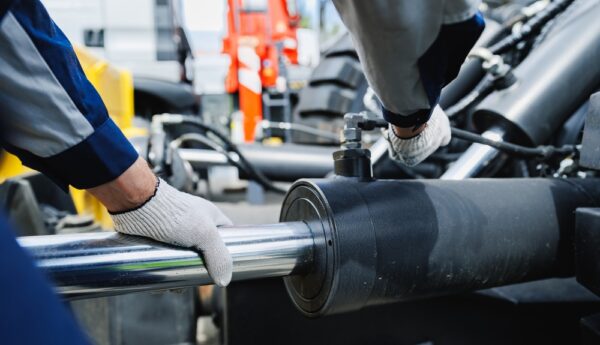
A cylinder that can’t fully extend, fully retract, or hold the force it used to is usually leaking air internally, past a worn piston seal, rather than to the outside. That internal bypass doesn’t hiss, since the air moves past the piston instead of escaping. It appears as weaker output instead, easy to blame on the load until it’s traced back to the seal. On a press or a clamp, that lost force shows up as parts that don’t seat or clamp fully.
4. The cylinder drifts or creeps at rest
A cylinder that’s supposed to hold a position and instead settles, sags, or creeps once the load sits on it is exhibiting the same internal bypass as reduced force. This drift often is seen on vertical applications first, since gravity exposes a seal that’s already letting air past. On a lift or a fixture, that kind of drift can mean a part shifting midprocess or a guard settling out of position, which is enough reason to pull a cylinder that won’t hold reliably.
5. Visible scoring, pitting, or corrosion on the rod
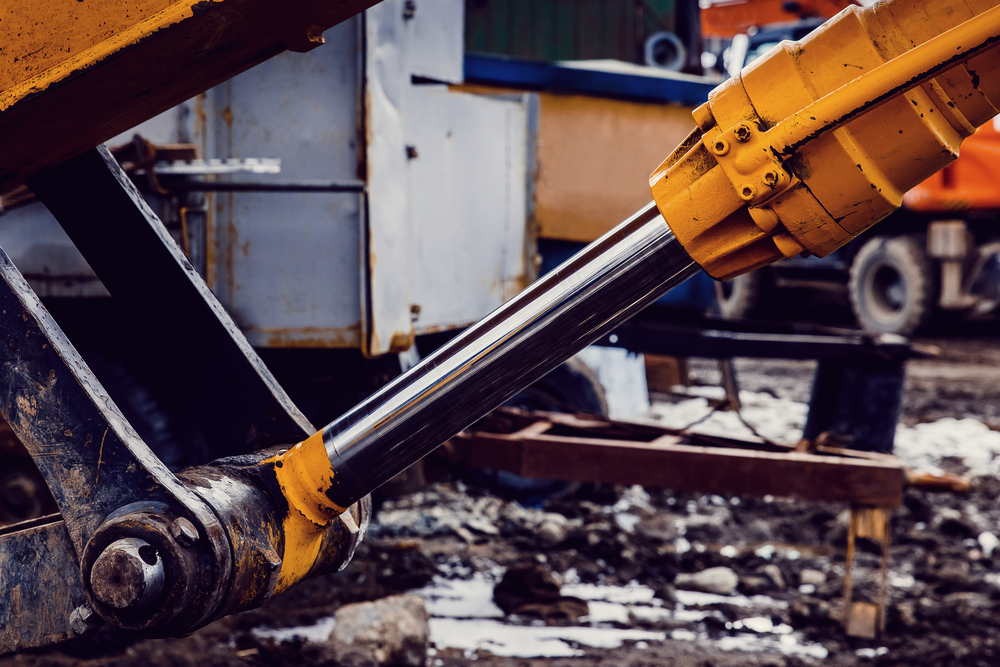
A rod that looks scratched, pitted, or corroded isn’t just a cosmetic problem. That surface is what the rod seal rides against on every stroke, and damage on it gets carried straight into the seal on the next pass. Contaminated air, moisture, and physical impact are the usual causes. Once the surface is compromised, a new seal kit alone won’t hold for long against it, so a quick visual check under good light during routine maintenance is worth the minute it takes.
Catch before it’s obvious
None of these signs on their own means a cylinder is finished. Together, or ignored long enough, they mean a seal kit turns into a full rebuild or a replacement. A quick check for leaks, speed, force, and rod condition during routine maintenance catches most of this before it turns into unplanned downtime.
