

Identifying Pneumatic Cylinder Cushioning Failures
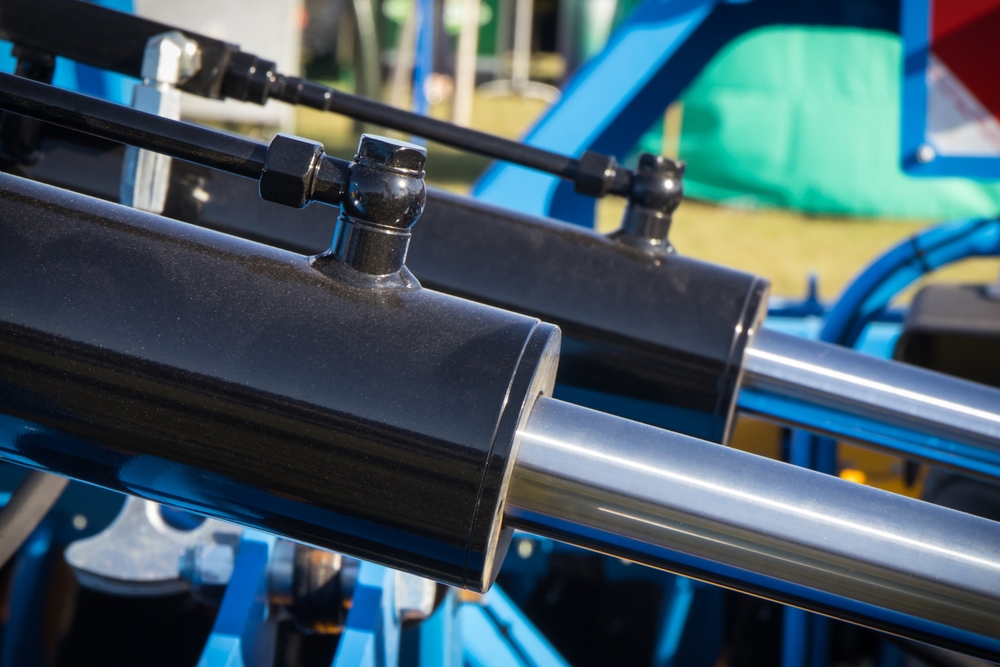
Pneumatic cylinders are among the most common actuators in manufacturing. They drive presses, move conveyors, and perform countless repetitive tasks with speed and reliability. To keep them running smoothly, many cylinders are designed with cushioning features that absorb the shock of the piston reaching the end of its stroke. Without cushioning, the piston strikes the cylinder head with full force, transmitting shock throughout the system.
A properly adjusted cushion slows the piston in the last few millimeters of travel. This protects the piston rod, seals, and end caps from impact forces, reduces system noise, and extends the life of the cylinder. In fast-moving or high-cycle applications, cushioning is especially important, as it keeps repetitive impact forces from adding up to premature failure.
Causes of cushioning failures
Cushioning mechanisms are durable, but they’re not immune to wear. Over time, seals degrade, adjustments slip, and contamination interferes with smooth operation. When this happens, the cushioning system can no longer perform its job. Common causes of cushioning failures include:
- Worn or damaged seals: Leaking air prevents the cushion from creating the backpressure needed to slow the piston.
- Improper cushion adjustment: If set too tight, the piston may stall; too loose, and it won’t slow enough before impact.
- Contamination in the cylinder bore: Dust, dirt, or metal particles interfere with cushioning mechanisms and accelerate wear.
- Overloading or exceeding ratings: Cylinders run faster or with heavier loads than designed, overwhelming the cushion system.
- Poor lubrication: Lack of lubrication increases friction and accelerates seal and rod wear.
Signs of cushioning failure
When cushioning fails, the signs are often easy to hear and feel. Cylinders begin to “slam” at the end of their travel, creating loud knocks, higher vibration, and extra stress on connected equipment. Over time, this reduces accuracy, wears out seals, and can even damage mounting hardware or cylinder ends.
A few of the clear indicators technicians can pick up on during normal operation include:
- Loud banging or knocking at the end of the piston stroke
- Increased vibration in the cylinder and connected machinery
- Faster seal and rod wear, often visible as air leaks or reduced cylinder life
- Reduced accuracy or repeatability, with actuators missing their precise stop points
- Visible damage to cylinder ends, end caps, or mounting hardware
How to address cushioning issues
Most cushioning problems can be corrected with a few key steps. Start with the seals, as they’re the most common wear point, and replace them when they show leakage. Verify cushion adjustment according to manufacturer guidelines to ensure the piston slows properly without stalling. If contamination is present, clean and lubricate the cylinder bore to restore smooth function. When damage is extensive, replacement of the cushion mechanism — or the entire cylinder — may be the most cost-effective option.
Cushioning protects more than cylinders
When cushioning fails, the consequences extend beyond the cylinder. Mounting hardware, machinery frames, and even connected components absorb the impact of the piston slamming at the end of the stroke. Left uncorrected, this can multiply the costs of a single failure into plant-wide downtime.
Recognizing the causes and signs of cushioning failure is the first step. Acting quickly to repair or replace worn components is the second. With proactive attention, manufacturers can keep pneumatic cylinders — and the systems they power — running smoothly, safely, and reliably.
