

Why Proportional Valves Aren’t Forgiving of Contamination
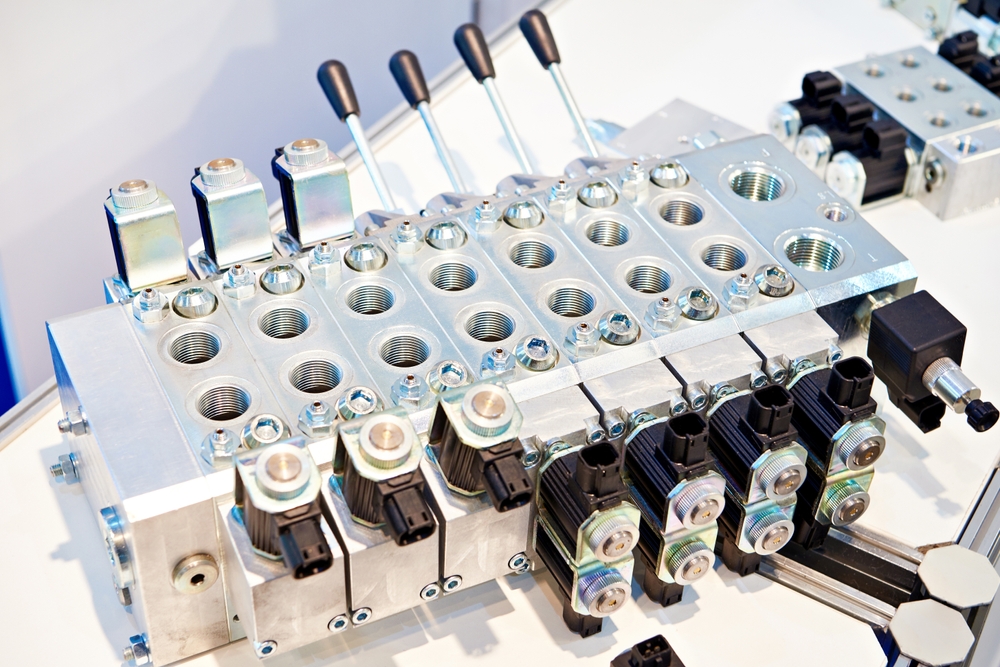
Proportional valves translate electrical commands into precise hydraulic output. This precision is built around spool-to-bore clearances measured in microns. It’s also what makes them the most contamination-sensitive component in most hydraulic circuits and the first to show it when fluid cleanliness slips.
Why clearances matter
A proportional valve spool moves inside a bore with a diametrical clearance of roughly 5–13 microns, depending on the design. A human hair measures approximately 70 microns, which means the particles that damage proportional valves are far too small to see without magnification. When those particles enter the spool-bore interface, they restrict movement and abrade the precision surfaces that maintain control accuracy.
Proportional valves require ISO 4406 fluid cleanliness of 18/16/13. This level is tighter than directional valves and significantly tighter than most general industrial hydraulic systems run without active cleanliness management. Servo valves require 16/14/11 or better, which is an even narrower margin.
What contamination does to a proportional valve
The damage follows a predictable sequence. Early-stage contamination produces spool stiction. The spool resists movement against the command signal, producing sluggish or incomplete response. The actuator moves but not accurately. Particles as small as 10 microns can interfere with spool movement, and the effect accumulates with each operating cycle.
As abrasion progresses, the spool-bore fit opens up, and internal leakage increases. The valve loses its ability to hold commanded positions, producing position drift and unstable actuator behavior that gets investigated at the control system before the valve condition is checked. At advanced stages, the spool can lock entirely, often at a position that applies full flow or full pressure to one side of the actuator.

Where the contamination comes from
Proportional valves are frequently the cleanest component in a circuit that isn’t being maintained to the cleanliness level they require, such as in the following conditions:
- Fluid added to the reservoir without pre-filtering. New oil typically arrives at ISO 18/12 or worse and doesn’t meet proportional valve requirements without filtration.
- Circuit work performed without flushing before valve reinstallation. Contamination introduced during hose installation can exceed target cleanliness by three ISO codes.
- Filter elements serviced on calendar intervals rather than differential pressure. A loaded filter in bypass mode delivers unfiltered fluid directly to the valve.
- Reservoir breathers degraded or missing. These allow ambient air and particulate into the fluid.
Maintaining cleanliness at proportional valve standards
The gap between what most systems run and what proportional valves require closes with consistent practice rather than expensive equipment:
- Sample and test fluid regularly against the ISO 4406 target.
- Filter new fluid to system specification before adding it to the reservoir.
- Install flushing blocks on proportional valve circuits during any repair work.
- Verify cleanliness before returning to service.
- Replace filter elements on differential pressure indication, not calendar schedule.
- Keep reservoir breathers serviced and rated for the ambient environment.
Wearing on every cycle
The response degradation that proportional valves develop from contamination typically gets investigated at the control system before the valve condition is checked. By the time the valve is identified as the cause, the spool and bore surfaces have already been damaged.
Replacing the valve without addressing the cleanliness condition puts a new valve into the same circuit, and that doesn’t fix anything.
