

Why MTBF Improves Before MTTR — and Why That Matters

Many maintenance teams notice the same pattern as their reliability efforts mature: mean time between failure (MTBF) improves, but mean time to repair (MTTR) doesn’t move — at least not right away. Failures happen less often, yet when something does go wrong, recovery still takes just as long as it always has. Why?
The disconnect can be frustrating, especially when leadership expects reliability metrics to improve together. In reality, this pattern is common, and understanding why it happens helps maintenance teams focus on the right next steps instead of chasing the wrong fixes.
What MTBF and MTTR represent in day-to-day operations
MTBF and MTTR are typically discussed together, but they measure different layers of performance. MTBF reflects how frequently equipment fails. Improvements here usually come from eliminating chronic issues, improving preventive maintenance, and addressing known failure modes. MTTR reflects how quickly a team can diagnose, access, repair, and return equipment to service once a failure occurs.
Because these metrics describe different aspects of reliability, it’s unrealistic to expect them to improve at the same pace or through the same actions.

Why MTBF is usually the first metric to improve
MTBF tends to improve first because it responds well to foundational reliability work. For instance, addressing repeat failures, upgrading weak components, and tightening maintenance practices directly reduce how often equipment breaks down.
These efforts are typically technical and asset-focused. They stabilize systems and remove known failure drivers. What they don’t necessarily do is make failures easier or faster to fix. When a failure does occur, the same diagnostic challenges, access issues, and resource constraints normally remain.
As a result, MTBF improvements show up early, even while MTTR stays flat.
Why MTTR lags, even in improving plants
MTTR reflects organizational capability more than equipment condition. Even as failures become less frequent, many of the factors that slow repairs remain unchanged. Common contributors include:
- Limited or informal troubleshooting documentation
- Dependence on a small number of experienced individuals
- Delays caused by parts availability or access constraints
- Procedures that vary by shift or technician
Until these constraints are addressed directly, MTTR often remains stubbornly consistent, even in plants where overall reliability is improving.
Why this gap matters
When MTBF improves but MTTR doesn’t, failures become less frequent, but their impact remains high. A single extended outage can still disrupt production schedules, strain maintenance resources, and create operational risk. This gap is easy to misinterpret. Teams may assume reliability work is incomplete or ineffective, when it has simply reached the next stage. MTBF improvement creates breathing room, but without deliberate effort, MTTR remains a bottleneck when things go wrong.
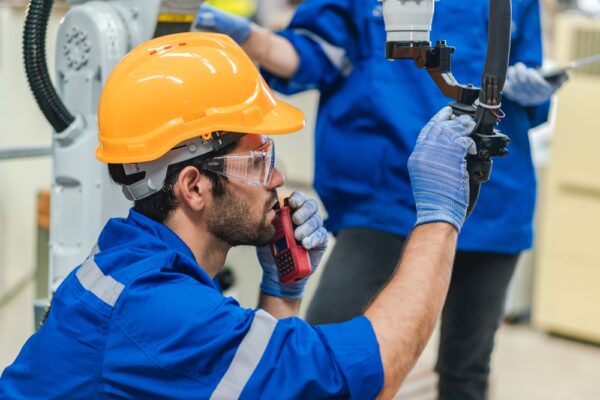
How MTBF improvements create the conditions for MTTR gains
The same reliability improvements that raise MTBF also create opportunity. Fewer failures mean more time to document repairs, standardize troubleshooting steps, and train teams without constant interruption.
With fewer emergencies, plants can focus on improving response capability — building procedures, improving parts strategies, and reducing dependence on individual expertise. MTTR improvement becomes possible once the organization has the capacity to work on how failures are handled, not just how frequently they occur.
Reliability maturity happens in stages
MTBF improving before MTTR isn’t a problem but a sign of progress. It indicates that foundational reliability work is taking hold. The next step requires a shift in focus, from preventing failures to responding more effectively when they happen. Don’t think of these metrics as independent variables in an equation, but rather as progressive steps toward the ideal result: better reliability.
