

Why Intermittent I/O Loss Isn’t Always a Module Problem
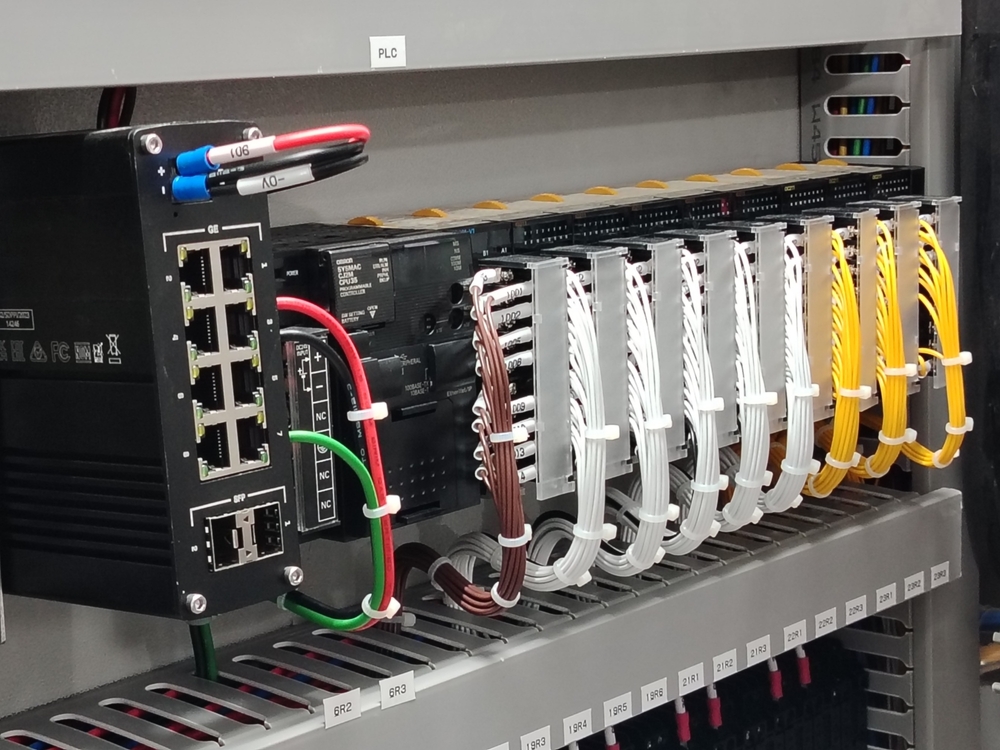
Intermittent input/output (I/O) loss can be one of the most frustrating issues in a plant. Inputs flicker. Outputs drop unexpectedly. Communication faults appear and disappear without warning. Production may run smoothly for hours and then suddenly stumble.
When signals start dropping out, the I/O module is often a primary suspect. Swapping the card feels like the fastest way to restore stability. Sometimes, that works. However, in many cases, intermittent I/O loss isn’t a failed module but a symptom of instability elsewhere in the system.
What intermittent I/O loss looks like in the field
Unlike a hard module failure, intermittent I/O problems don’t present as a clean shutdown. Instead, they show up unpredictably. Inputs may toggle without a real-world change. Outputs may fail only under load. Communication timeouts may occur during production but not during testing.
That inconsistency is the first clue. True module failures tend to be persistent. Intermittent behavior usually indicates that something external — power, wiring, grounding, or environment — is fluctuating just enough to disrupt signal integrity. When signals behave normally in one moment and erratically the next, the module may simply be reacting to unstable conditions.
Common nonmodule causes of intermittent I/O loss
Many intermittent I/O problems originate outside the module. Small issues in the surrounding system can easily mimic a failing card. Common contributors include:
- Loose or vibration-prone terminal connections
- Grounding inconsistencies or electrical noise
- Damaged, pinched, or marginal field wiring
- Power supply instability feeding the rack
- Backplane connection issues
- Elevated temperatures or moisture inside the enclosure
Each of these conditions can interrupt signals briefly without causing a full system shutdown. The module may still be functioning correctly, but it cannot compensate for inconsistent input conditions.
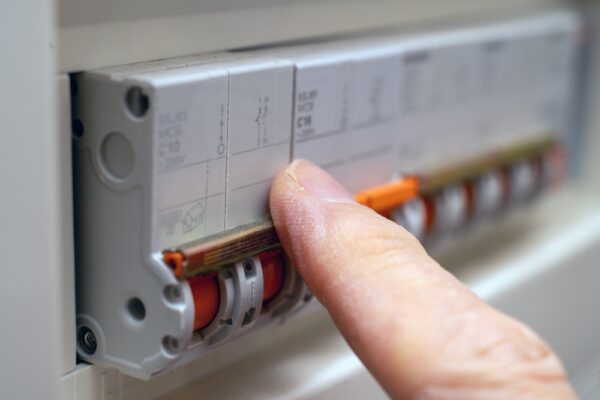
When power quality creates ghost failures
Power-related issues are one of the most common sources of intermittent I/O loss. These problems typically occur so briefly that they leave little evidence behind, making them difficult to trace. Common power-related triggers include:
- Minor voltage dips that momentarily reset inputs or communication circuits
- Ripple or noise in a 24V DC supply
- Shared power supplies overloaded during peak demand
- Loose DC distribution terminals inside the panel
- Aging or poorly regulated power supplies
Because these disturbances happen quickly, the system may appear stable during inspection. Yet under real operating conditions, especially during startup or high load, those small fluctuations can interrupt signals just long enough to create “ghost” failures.
Why replacing the module doesn’t always fix it
Swapping the I/O module often appears to solve the issue, but that outcome can be misleading. Several factors make replacement look successful even when the root cause remains. Common reasons the problem temporarily disappears include:
- Reseating the module improves backplane contact
- Terminal screws are tightened during the replacement process
- Wiring is disturbed just enough to restore marginal connections
- The new module tolerates unstable conditions slightly better for a time
If the underlying instability isn’t addressed, the intermittent behavior normally returns. Another module may be installed. More downtime follows. Costs increase, but the system conditions remain unchanged. Treating intermittent I/O loss as a parts problem instead of a system problem frequently turns a manageable issue into a recurring cycle.
Look at the system, not just the slot
Intermittent I/O loss rarely exists as an isolated problem. More often, it reflects instability in power, wiring, grounding, or environmental conditions surrounding the module. Looking beyond the slot in the rack and evaluating the system as a whole leads to more durable solutions. When the surrounding conditions are stable, I/O modules typically are too.
