

Why Hydraulic Filters Aren’t the Last Line of Defense — They’re the Only One
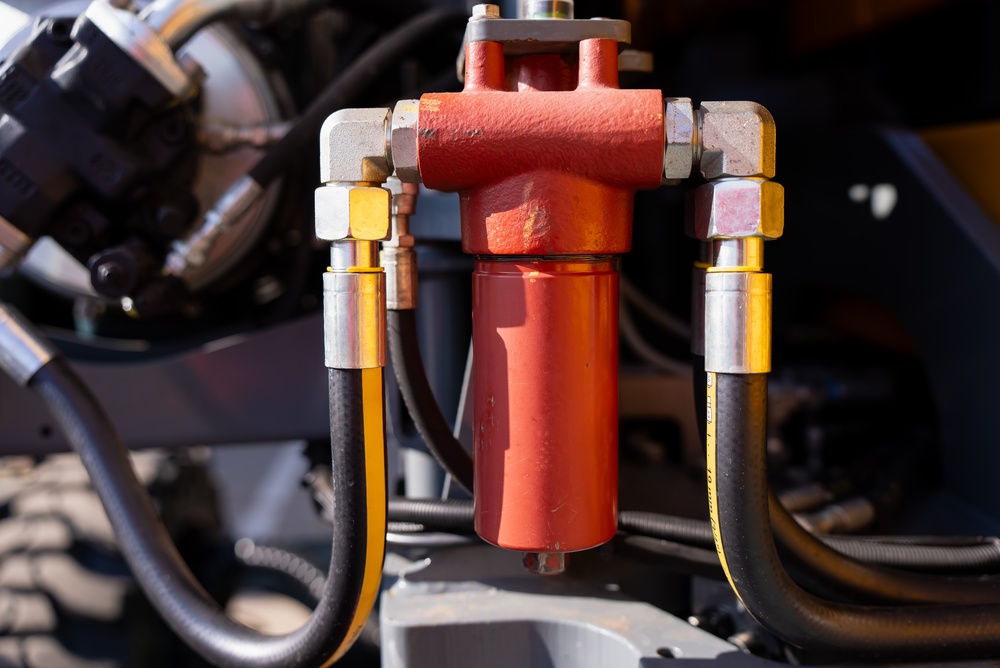
Most facilities treat hydraulic filters as one layer of a multi-layer contamination control system. They aren’t. The filter is the active contamination removal mechanism, and everything else manages the ingression rate. When the filter fails to do its job — from bypass, element degradation, wrong micron rating, or servicing lapses — nothing else in the system compensates for it.
The role of a hydraulic filter
New hydraulic oil from the drum arrives at roughly ISO 23/21/18, which is significantly dirtier than most systems require before the fluid has done anything. The filter’s job begins there and doesn’t stop. Contamination enters the system through ingression, circuit work, and generated wear particles on every operating cycle. The filter needs to remove it faster than it accumulates.
The system’s cleanliness target should be set by its most sensitive component. Servo valves require ISO 16/14/11, proportional valves need 18/16/13, and directional valves tolerate 20/18/15. A 10-micron filter on a servo-valve circuit isn’t protecting the valve. Maintaining ISO 16/14/11 demands 3- to 5-micron filtration. The filter also must be operating, not in bypass.
Where hydraulic filters fail
This is where most contamination control programs have gaps:
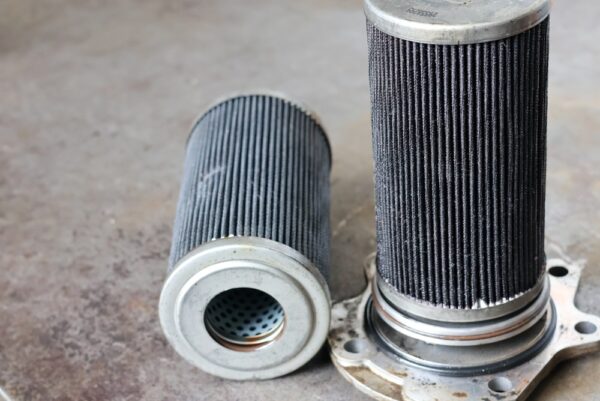
- Bypass mode: Pressure and return filters have bypass valves that open when elements are loaded, routing unfiltered fluid to components. A bypass indicator that nobody checks is a filter that’s been in bypass for months, protecting nothing.
- Element degradation: Filter media break down under sustained high-differential pressure, releasing fibers into the fluid stream. A degraded element that hasn’t reached bypass still delivers contaminated filtrate.
- Wrong micron rating: A filter sized for a general industrial hydraulic system doesn’t protect servo or proportional valve circuits that require finer filtration.
- Calendar-based servicing: Element intervals based on time rather than differential pressure consistently under-serve high-cycle applications and over-serve low-cycle ones.
What the filter is fighting against
The filter doesn’t just remove external contamination; it removes everything the system generates and ingests. Fluid added without pre-filtering introduces contamination at levels 16–64x dirtier than most systems require. Circuit work performed without flushing introduces contamination upstream of the filter’s protective range. Degraded or missing reservoir breathers allow ambient particulate and moisture on every thermal breath cycle. Generated wear particles from aging components increase the loading rate proportionally as the system ages.
A complete filtration strategy protects systems
The filter element is the core, but it doesn’t operate alone:
- Differential pressure indicators should be installed on all filter housings and serviced on indication rather than a calendar schedule.
- New fluid should be pre-filtered through a transfer cart before entering the reservoir and should never be poured through open filler ports or breather caps.
- Breather filtration should be rated to at least the same micron level as the return filter. A fine return filter paired with an unrated breather does not provide balanced contamination control.
- Written flush procedures should be followed for any circuit work, with cleanliness verified before the equipment returns to service.
- Regular oil sampling should be performed against the ISO 4406 target because visual inspection doesn’t reveal particles below 40 microns.
- Kidney-loop (offline) filtration should be used for servo and proportional valve circuits that require cleanliness below ISO 17/15/12.
When the filter lapses, nothing catches it
A hydraulic system’s contamination control is only as effective as its filtration, and its filtration is only as effective as the maintenance habits around it. Bypass indicators, element condition, ingression control, and fluid sampling are what keep the filter doing its job. When those lapse, the failure is invisible until the components the filter was protecting start failing.
