

Why Display Failures Often Start at the Power Input, Not the Screen
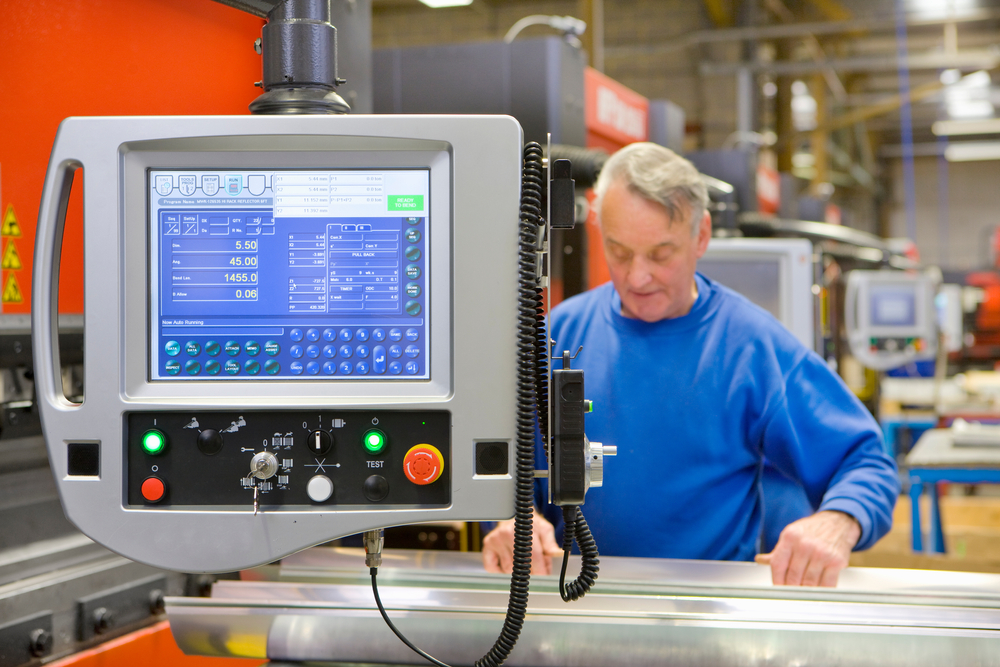
When an industrial display goes blank, flickers, or becomes unstable, the screen is usually the first thing blamed. It’s a visible failure, and replacing the display often feels like the fastest path back to operation. But in many cases, the display is only reacting to a problem that started upstream.
More often than not, the real issue originates at the power input, not the screen. Understanding that distinction is critical for avoiding repeat failures and unnecessary replacements.
When the screen isn’t the problem
Displays are frequently treated as isolated components, but they’re tightly tied to the electrical conditions feeding them. When power quality begins to degrade, the display is usually one of the first components to show symptoms. That doesn’t mean it’s defective — it means it’s sensitive.
Replacing a screen without addressing underlying power conditions may restore operation temporarily. Over time, however, the same electrical stressors remain in place, and the failure pattern repeats.
Why displays are sensitive to power conditions
Modern industrial displays rely on regulated internal power circuits. Unlike motors or contactors that can tolerate short-term fluctuations, displays depend on stable voltage and clean input power to function correctly.
Small issues such as voltage dropouts, ripple, or brief transients can disrupt internal regulation. Over time, these conditions stress power components inside the display, including DC-DC converters and filtering circuits. The display doesn’t fail immediately; it degrades gradually, often in ways that are easy to misinterpret as screen damage.
Because of this sensitivity, displays frequently become the first indicator of broader power problems inside a panel.
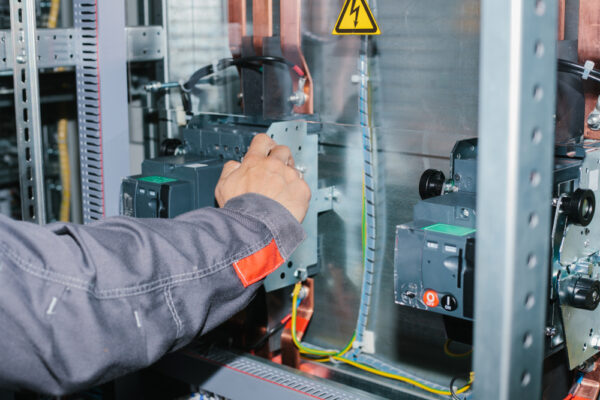
Power input issues that quietly damage displays
Display-related power problems don’t tend to show up as a single, obvious failure. More often, they develop gradually as electrical conditions drift just far enough out of range to stress internal components over time. Common power input issues include:
- Unstable or fluctuating supply voltage
- Aging or undersized power supplies
- Loose, corroded, or heat-damaged input connections
- Electrical noise or grounding problems within the panel
- Power sources added or modified during retrofits
Individually, these conditions may not seem severe. Together, they create an environment that shortens display life and increases the likelihood of repeat failures.
How power problems masquerade as screen failures
When power input is the real issue, the display often shows the first symptoms. These behaviors can look like screen or interface failures, even though the root cause is electrical. Power-related issues commonly appear as:
- Intermittent blank screens or unexpected reboots
- Flickering, dimming, or uneven brightness
- Touchscreen lag or loss of responsiveness
- Failures that occur only after warm-up or under load
- Temporary recovery after power cycling or display replacement
Because these symptoms may disappear briefly, the display is often blamed and replaced while the underlying power problem remains.

Why replacing the display alone rarely fixes the issue
A new display can mask power problems for a time. Fresh components are better able to tolerate electrical stress, which is why replacements may appear to solve the issue initially. Over time, however, the same voltage instability, noise, or thermal stress continues to affect the new unit. Failures return, often sooner than expected. Maintenance teams end up chasing symptoms instead of addressing the conditions causing them, driving up costs and downtime.
Start at the source, not the symptom
Display failures don’t always begin at the screen. In many cases, the display is simply responding to power conditions it cannot tolerate indefinitely. By looking upstream at power supplies, wiring, grounding, and electrical stability, maintenance teams can break the cycle of repeat failures.
