

What Hotspots Can Reveal About Industrial Electrical Systems
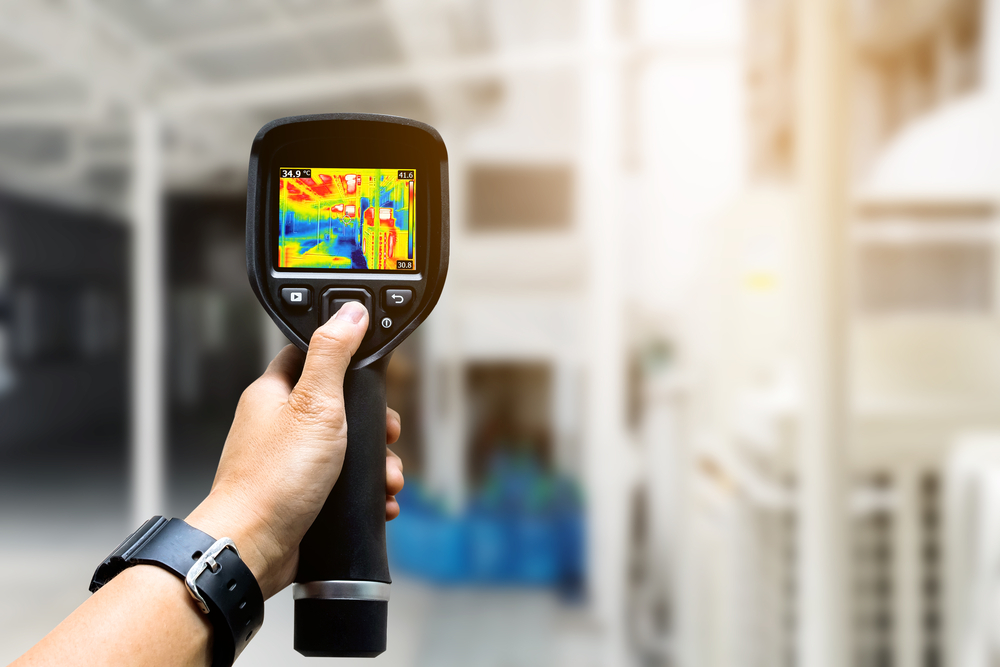
Every industrial electrical system produces heat, but not all heat is equal. Sometimes, that warmth is a healthy byproduct of current flow. Other times, it’s a silent distress signal. Hotspots — localized areas of elevated temperature — act as a kind of language, revealing inefficiencies or hidden failures long before they trigger alarms. The key is knowing how to interpret what they’re saying.
When temperature tells the truth
Thermal imaging translates invisible electrical stress into visible data. What appears as a bright blotch on an infrared scan can pinpoint where a system is struggling. Common hotspot patterns can reveal different underlying issues:
- Pinpointed heat at a terminal often signals corrosion or a loose connection.
- Broad heat gradients across conductors may indicate overload or phase imbalance.
- Uneven heating between similar components can suggest resistance differences or material fatigue.
Each of these patterns forms a kind of “thermal fingerprint” tied to a specific fault type. Over time, establishing a thermal baseline allows maintenance teams to see deviations at a glance. Even small changes of just a few degrees can signal rising electrical stress.
The story behind the scan
A hotspot isn’t just a color on a screen; it’s data that needs interpretation. Skilled technicians analyze each image in context, comparing similar components under equal load to find subtle differences. They also account for emissivity, airflow, and surface conditions that affect accuracy.
Trend analysis is key. When temperature readings climb steadily over several inspections, it’s rarely random but rather the early sign of a connection weakening or insulation degrading. Regular scanning turns isolated snapshots into a time-lapse of system health, giving maintenance teams the foresight to act before failure occurs.

When heat hides the real problem
Not every hotspot means there’s an electrical issue. Some are caused by environmental factors that can distort results. Common examples include:
- Heat radiating from nearby machinery
- Poor airflow or ventilation
- Reflections from metallic or glossy surfaces
Without context, these false positives can lead to unnecessary shutdowns or overlooked hazards. Proper interpretation means pairing thermal imaging with other testing methods — current load checks, torque verification, or insulation resistance testing — to confirm what the data suggests. Skilled inspectors know how to distinguish “normal hot” from “abnormal hot,” and that experience can make all the difference.
From thermal clues to maintenance action
When hotspot data is analyzed correctly, it becomes an actionable roadmap for predictive maintenance. Each anomaly tells maintenance teams where to focus their efforts:
- Immediate action for overheating terminals or loose conductors
- Planned repairs for components showing gradual wear
- Ongoing monitoring for recurring patterns that suggest imbalance
Integrating thermal results with other diagnostic tools — vibration analysis, current monitoring, or CMMS data — provides a comprehensive picture of system performance. Regular inspections not only prevent failures but also improve energy efficiency and extend equipment life. Reading heat is, ultimately, reading health.
Seeing the heat before it hurts
Hotspots are more than anomalies. They’re insights into the inner workings of industrial electrical systems. Each one marks a potential turning point between reliability and repair. The ability to recognize, interpret, and respond to these warning signs transforms maintenance from reactive firefighting into strategic foresight, protecting uptime and preserving critical assets.
