

Upgrading Legacy Motors in Phases: A Hybrid Approach to Modernization
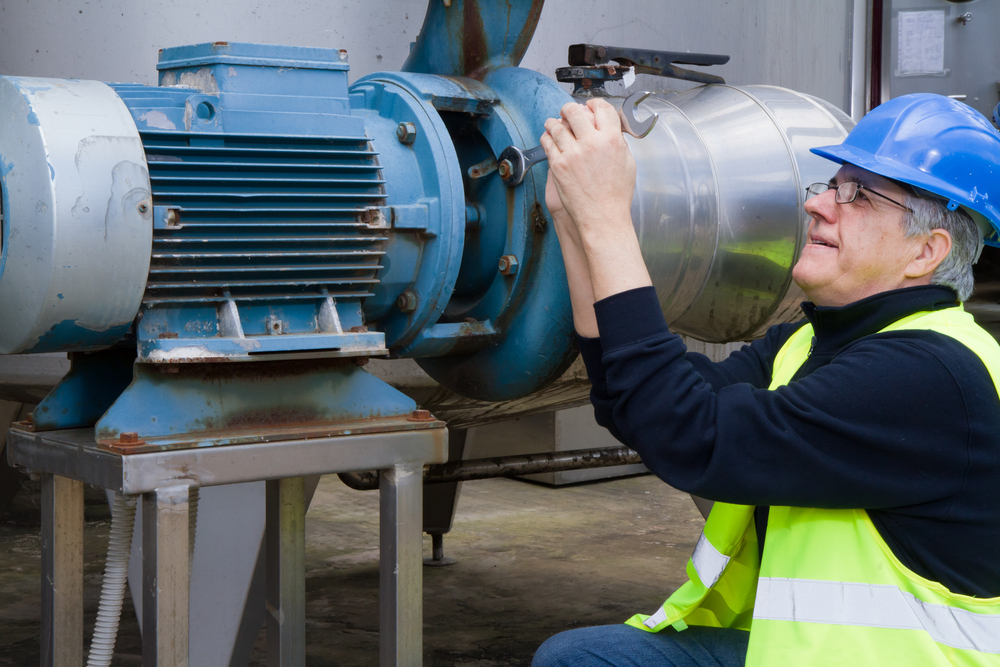
Manufacturing facilities house dozens or hundreds of motors, many installed decades ago. These workhorses keep production running, but they’re energy hogs that break down more often and cost more to maintain each year. The obvious solution — replace everything at once — rarely makes financial or operational sense. A phased approach delivers the same modernization benefits while keeping budgets manageable and production steady.
Legacy motors drain profits in multiple ways
Older motors consume significantly more electricity than modern alternatives. A 50-horsepower motor from the 1990s might draw 45kW under load, while a premium efficiency replacement uses just 35kW. That 10kW difference costs $6,000-$8,000 annually in most industrial markets!
Maintenance expenses climb as motors age. Bearings wear faster, windings degrade, and cooling systems struggle. Parts become harder to source, and technicians spend more time troubleshooting intermittent problems. Unplanned failures disrupt production schedules and force expensive emergency repairs. It all adds up.
There are operational challenges, too. Legacy motors often can’t interface with modern control systems. VFDs, remote monitoring, and predictive maintenance tools require compatible motor designs. This isolation prevents facilities from implementing advanced automation strategies.
Phased upgrades solve multiple problems simultaneously
The decision to upgrade isn’t one you should take lightly — and it’s an investment better burdened incrementally. Consider how spacing out motor upgrades over a 2-3-year period creates benefits even beyond the new equipment:
- Budget management: Over just a couple of years, a $200,000 motor upgrade becomes three $67,000 annual investments. Finance teams can plan for these expenses, and operations can justify costs through immediate energy savings from each phase.
- Production continuity: Replacing 10 motors during scheduled maintenance windows causes minor inconvenience. Replacing 50 motors simultaneously shuts down entire production areas and strains maintenance resources.
- Learning opportunities: Installation challenges, compatibility issues, and performance improvements become clear with the first motor group. This knowledge improves planning and execution for subsequent phases.
- Risk mitigation: If new motors don’t perform as expected or integration problems arise, only a small portion of the facility is affected. Course corrections can happen before major investments are committed.

Smart planning makes phased upgrades work
Success depends on strategic sequencing and careful coordination. Follow these four planning steps to maximize results from each upgrade phase:
- Prioritize by impact and savings: Start with energy audits and failure history analysis. Motors consuming the most electricity or failing most frequently should move to phase one. Production impact matters too — motors supporting primary processes get priority over auxiliary equipment.
- Group motors logically: Organize by production line, facility area, or specification. This approach simplifies procurement, standardizes installation procedures, and reduces spare parts inventory. Buying 10 identical motors costs less per unit than buying 10 different models!
- Coordinate timing strategically: Align upgrades with planned shutdowns, seasonal production lulls, or major maintenance events. Summer cooling system overhauls provide perfect opportunities for motor replacements without adding downtime.
- Allocate budgets for maximum ROI: Phase one motors should deliver the highest return on investment, generating cash flow to fund subsequent phases. Calculate payback periods for each motor group and prioritize accordingly.
Don’t overlook integration challenges during planning, either. Modern motors often require different control interfaces than legacy equipment, so plan for control system upgrades alongside motor replacements — or choose motors compatible with existing controls.
The long game pays off
Phased motor upgrades deliver modernization benefits without the financial strain or operational chaos of wholesale replacement. Energy savings begin immediately with each completed phase, and maintenance costs drop gradually as reliable motors replace problem units.
This hybrid approach builds organizational confidence and expertise while minimizing risk. By the final phase, teams have perfected installation procedures and resolved integration challenges. The result is a fully modernized motor population achieved through manageable, profitable steps. And all you need is a little patience.
