

The Dangers of Overvoltage in Industrial Power Supplies
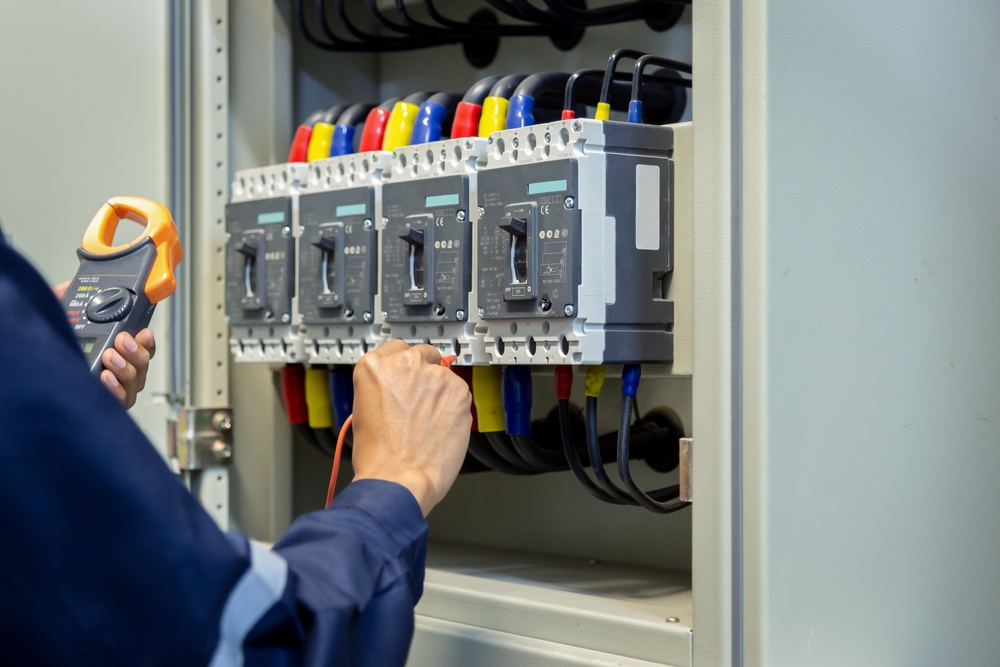
Overvoltage doesn’t always get the same attention as undervoltage, but it should. When voltage spikes (even briefly), industrial equipment is forced to operate outside its comfort zone. Components that depend on tightly controlled electrical input can overheat, overstress, or fail without warning.
Whether the cause is a utility disturbance, lightning strike, regenerative energy, or unstable power distribution, overvoltage compromises reliability across the plant. Here are some of the most common dangers:
Excessive heat in motor windings
Higher voltage pushes more current through windings, creating heat that motors aren’t designed to handle. Even short bursts can elevate internal temperatures, increasing thermal stress and reducing motor lifespan.
Accelerated insulation breakdown
Insulation is one of the first materials to fail under overvoltage conditions. Excess electrical stress weakens insulation layers, leading to cracks, brittleness, and eventual shorted turns or winding failure.
Stress and failure in drives and power supplies
Variable frequency drives (VFDs), switch-mode power supplies, and similar electronics are particularly sensitive to high voltage. Overvoltage overwhelms their protective circuits and can damage rectifiers, converters, and control boards.

Premature capacitor and semiconductor damage
DC bus capacitors, IGBTs, and other semiconductor components are designed for specific voltage limits. When voltage exceeds those thresholds, internal overheating and dielectric breakdown can occur — often suddenly and without clear warning.
Erratic PLC, sensor, and control behavior
Control electronics rely on stable voltage. Excess voltage can trigger false signals, intermittent resets, or complete controller failure. Even a brief spike can scramble sensor readings or force logic controllers into protective shutdown modes.
Unexpected trips, faults, or safety shutdowns
Many industrial systems include protective devices designed to trip when voltage is unsafe. When overvoltage hits, breakers, drives, or controllers may shut down unexpectedly to protect themselves, interrupting production in the process.
Increased electrical discharge and bearing pitting
Overvoltage raises the likelihood of stray currents traveling through motor bearings. These currents cause electrical discharge machining (EDM), leading to pitting, fluting, and premature bearing failure — a problem that often appears mechanical but starts electrically.
Damage to lighting, HMIs, and panel electronics
Industrial lighting, HMIs, displays, and low-voltage panel electronics are highly vulnerable to overvoltage. Their internal components lack heavy-duty protection, making them prone to burnout or early failure when voltage rises just a little too high.

Overheating in transformers and distribution gear
Transformers and distribution components are engineered around specific voltage ratios. Overvoltage pushes them outside those parameters, generating heat and reducing efficiency. Prolonged exposure can damage windings, insulation, and tap changers.
Increased risk of arc flash in severe conditions
In extreme cases, overvoltage creates conditions that make arc flash more likely. Higher voltage increases the potential for arcing during faults, switching, or equipment failure — a danger that puts equipment and personnel at risk.
Overvoltage events may be brief, but their effects can linger long after the voltage normalizes. From damaged electronics to stressed motors and weakened insulation, the risks span every part of a power distribution system. Understanding these dangers helps teams respond quickly, choose the right protective equipment, and safeguard critical assets against electrical stress.
