

Pneumatic System Efficiency: Get More From the Air You’re Paying For
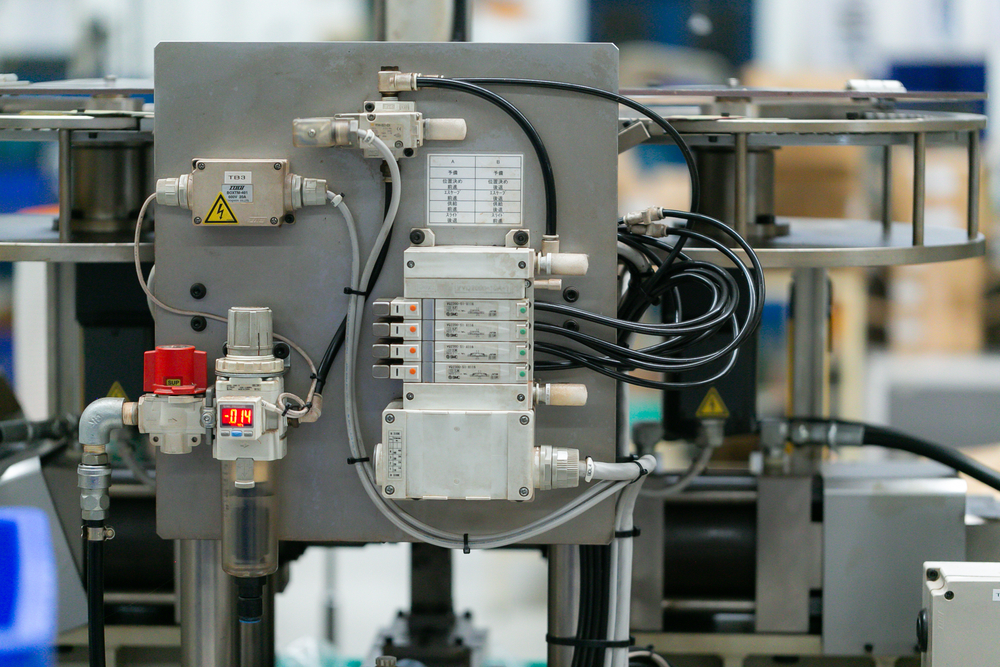
Compressed air accounts for 10–30% of a typical industrial facility’s energy consumption. According to the U.S. Department of Energy, 20–30% of that output never does useful work. It leaks out, gets throttled down, or feeds equipment that isn’t running. Pneumatic systems tend to get treated as background infrastructure. They’re there, they work, and nobody looks too closely. That’s exactly where the waste lives.
Leaks: The biggest and most ignored problem
A poorly maintained facility can lose 20–30% of compressed air output to leaks before it reaches a single actuator. The problem isn’t that leaks are hard to fix (most aren’t). It’s that they’re hard to notice. Plant noise masks an audible hiss, and slow leaks at fittings, hose connections, valve stems, and cylinder rod seals rarely cause enough pressure drop to trigger a complaint. A ⅛-inch leak at 100 psi wastes roughly 25 CFM continuously. Most facilities have dozens of small leaks running simultaneously.
Ultrasonic leak detectors are a reliable detection method, picking up the high-frequency signature of escaping air that plant noise obscures. A practical approach for large facilities is to divide the floor into 10–12 zones and audit one per month. Repair priority goes to the highest-flow leaks first. Fittings, quick-disconnect couplings, and cylinder rod seals are the most common culprits.
Pressure: Running too high is a real cost
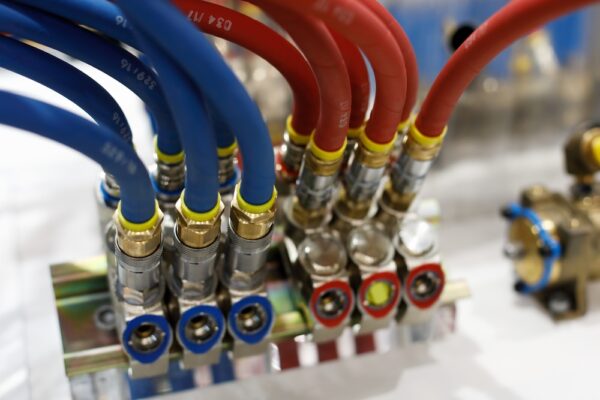
Every 2 psi increase in system pressure raises compressor energy consumption by roughly 1%. Facilities running header pressure high to buffer against pressure drop and variation pay a continuous energy premium for the cushion. The common pattern is that a tool seems sluggish, so an operator bumps the regulator rather than investigating the actual cause, such as a clogged filter element, an undersized line, or a worn valve.
Point-of-use regulators set at the lowest pressure that each application requires are the right answer. Different zones often have different pressure requirements, and a single high header pressure serving everything is rarely the most efficient configuration.
What’s being ignored between the compressor and the load?
Filter elements load with particulate and moisture over time, increasing the pressure drop. As downstream pressure falls, the reflex is to turn up the upstream regulator rather than replace the filter, compounding the energy waste while the contamination problem continues.
Differential pressure indicators take the guesswork out of service intervals. Automatic drains on filter bowls prevent accumulated moisture from re-entering the air stream and accelerating seal wear downstream. Lubricator settings deserve attention, too. Too much oil contaminates downstream components, while too little accelerates wear on cylinder bores and valve spools.
Demand-side habits that compound quietly
Not all pneumatic waste comes from leaks or pressure misconfiguration. Watch for these patterns:
- Circuits left pressurized during breaks, shift changes, and weekend shutdowns
- Continuous open blow-offs used for cleaning or cooling, rather than triggered nozzles
- Cylinders sized for peak force requirements that operate at partial load most of the time
- Quick-disconnect tools left connected and pressurized when not in use
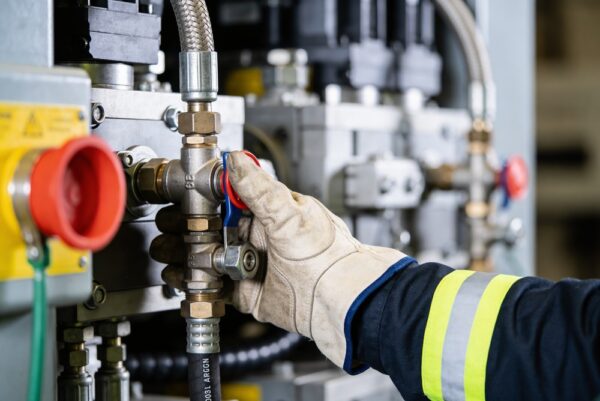
Solenoid valves wired to shut off air to idle circuits when the equipment is turned off eliminate the compressor load from circuits that aren’t doing anything.
Efficiency in a pneumatic system isn’t a capital project
Most waste comes from leaks that accumulated, pressure settings that drifted, filter elements that weren’t changed, and operational habits that nobody questioned. A leak audit, pressure mapping, FRL inspection, and demand-side review typically surface meaningful savings without replacing a single major component.
