

Hardened vs. Standard Components: What’s Worth the Investment?
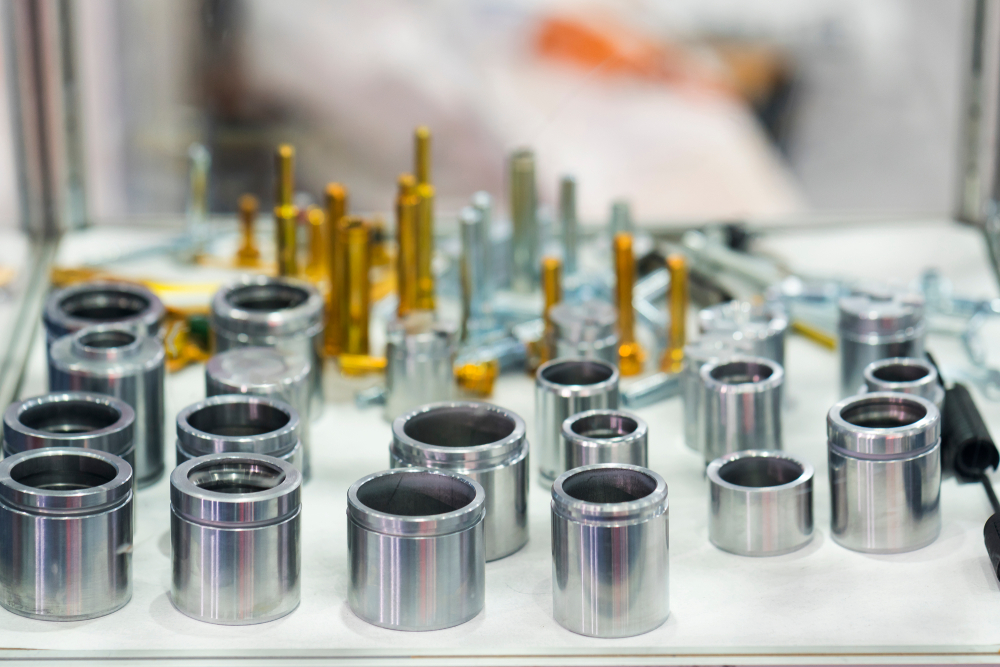
Manufacturing decisions often boil down to one question: Spend more upfront or pay later? The choice between hardened and standard components perfectly captures this dilemma. Hardened components cost 2-5x more than standard parts, but they’re built to withstand extreme conditions and last significantly longer. The real question isn’t about price tags — it’s about total ownership costs.
What separates hardened from standard components
Hardened components undergo enhanced manufacturing processes and use superior materials. They resist temperature extremes from -40°F to 200°F, handle constant vibration, and shrug off moisture and corrosive chemicals. Quality control testing is more rigorous, and manufacturers typically guarantee longer service lives.
Standard components work fine in controlled environments. They use basic materials and standard manufacturing processes. Temperature ranges are narrower, vibration tolerance is limited, and chemical resistance is minimal. The trade-off is simple: lower upfront cost for shorter lifespan and more maintenance needs.
The true cost of “cheap” components
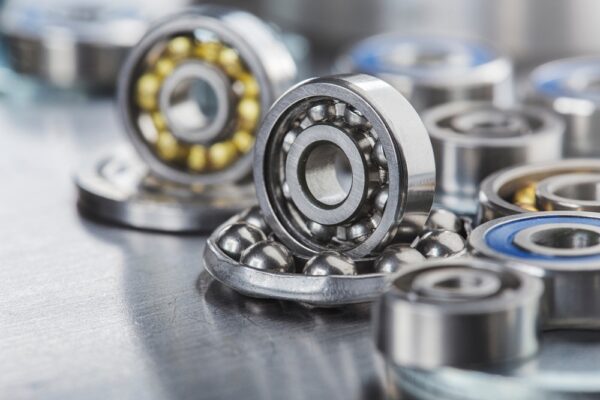
Applied in the wrong settings or environments, standard components can carry hidden expenses that add up fast. For example, in high-cycle production equipment, a $50 standard bearing might need replacement every 18 months, while a $200 hardened bearing runs for five years.
But replacement cost isn’t just the part price. Downtime can take its own toll, in the form of reduced profit. A failed component on a production line can cost $1,000-$5,000 per hour in lost production. Maintenance crews need overtime pay. Replacement parts require expedited shipping. Rush orders disrupt schedules and strain customer relationships.
Plus, standard components often fail without warning. Hardened components typically show gradual wear patterns, allowing planned maintenance during scheduled downtime. This predictability alone justifies the extra cost in many applications.
When hardened components make financial sense
So, when does it make sense to make an upfront investment in hardened materials? Beyond weighing the cost of these parts, consider these cost-effective applications:
- High-temperature applications: Furnace controls, automotive engine parts, and industrial ovens destroy standard components quickly. Hardened alternatives handle extreme heat and pay back their initial investment within months through reduced replacement frequency.
- Chemical processing environments: Standard seals and gaskets dissolve in aggressive chemicals, requiring constant replacement. Hardened components resist chemical attack and maintain integrity for years, eliminating frequent maintenance cycles.
- Remote installations: Offshore drilling platforms, mining equipment, and telecommunications towers make maintenance expensive and difficult. A $500 hardened component that lasts three years beats a $100 standard part requiring annual replacement and costly service calls.
- High-speed production lines: Automotive assembly lines, food processing plants, and pharmaceutical manufacturing can’t afford unexpected failures. The extra component cost is negligible compared to production losses from unplanned downtime.
Looking for a more quantifiable approach to decision-making? A simple formula works well: Multiply the annual replacement cost of standard components by their expected service life, then add downtime and labor costs. Compare this figure to the upfront cost of hardened alternatives plus their maintenance expenses over the same period to see where the investment makes sense.
Making the right call
Component selection affects manufacturing costs for years. Standard components work well in benign environments with easy maintenance access. Hardened components excel in demanding conditions where reliability trumps initial cost. The math usually favors hardened components in harsh environments, remote locations, and applications where downtime is expensive. Standard components make sense for easily accessible equipment in controlled environments with flexible maintenance schedules.
Success comes from matching component specifications to actual operating conditions, not just finding the lowest purchase price. The next time you need to replace a critical component, ask yourself: What kind of value will I get from a hardened option vs. a standard one?
