

Electric vs. Electronic Devices: Key Differences and Similarities
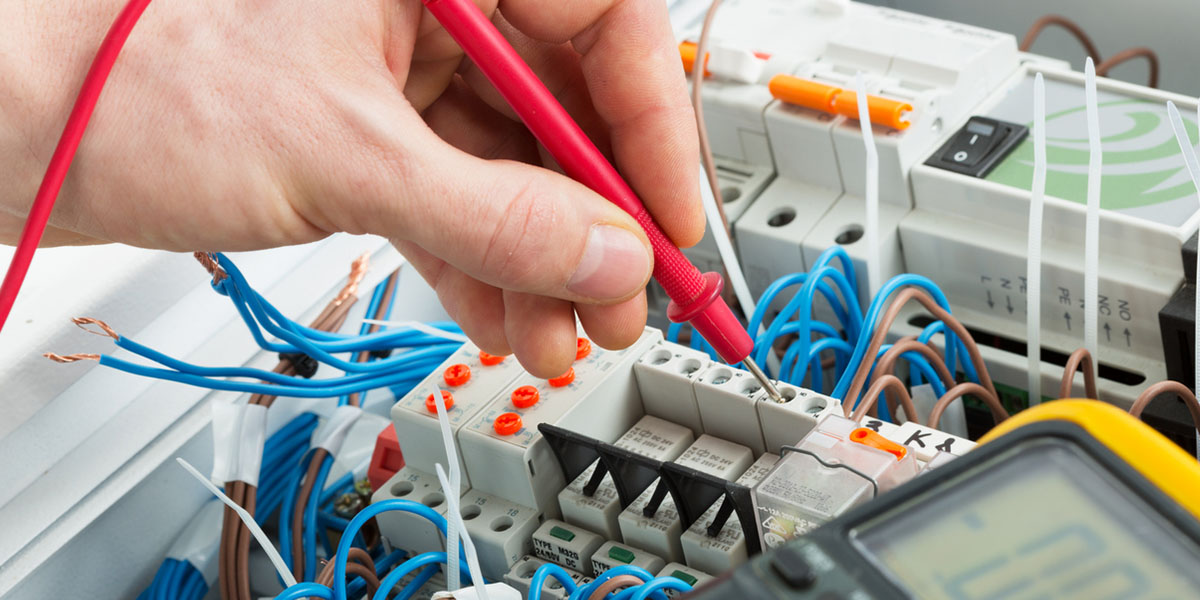
When production slows or equipment fails, one of the first questions your team might have is whether the issue lies in an electric or electronic component. That’s not always an easy distinction. Modern machinery blends technologies so seamlessly that the lines can get blurry. Misdiagnosing the source of failure can lead to wasted spend or unnecessary downtime.
This article explores the core differences and similarities between electric and electronic devices, giving your company the clarity to troubleshoot issues faster and maintain control over complex systems.
 Most industrial machinery today combines electric and electronic components. For example:

Electrical vs. Electronic Devices: Core Concepts for the Industry
Electric and electronic devices rely on the flow of electricity, but they function differently and serve distinct purposes in industrial environments.What Are Electric Devices?
Electric devices are built to perform physical work. They convert electrical energy into motion, heat or light. Think of a motor driving a conveyor belt or a coil heating up a production chamber. These units are designed for strength and reliability, not logic or computation. You’ll find electric mechanisms in:- Motors
- Industrial heaters
- Heating elements
- Lighting systems
- Circuit breakers and contactors
What Are Electronic Devices?
Electronic devices deal with information. They don’t just move power — they interpret signals, process logic and respond based on conditions. Electronic devices rely on low-voltage power and often use transistors, circuit boards and microchips. Examples of these systems include:- Programmable logic controllers (PLCs)
- Sensors
- Control boards
- Human machine interfaces (HMIs)
- Power regulation systems
Key Differences Between Electronic and Electrical Devices
Understanding electronic and electrical differences can offer your team improved diagnostics and more efficient maintenance planning.1. Functionality and Purpose
Electric devices generate or transmit power. They perform physical tasks, such as moving, heating or lighting something. Electronic devices manage information by monitoring, interpreting or controlling signals as part of automated systems. For example, an electric water pump moves fluid, while an electronic controller regulates when the pump operates based on pressure sensor readings.2. Type of Components and Material
Electric and electronic devices are built differently because they’re designed for different jobs. Electric systems rely on rugged components. You’ll typically find that they have thick copper wiring, carbon brushes and heavy insulation. They’re built to handle power and last under stress. Electronic units are built with semiconductors, microchips and printed circuit boards. They’re lighter, more compact and more sensitive.3. Power Consumption
Electric devices consume more power when operating machinery, heat elements or lighting at higher loads. Electronic devices use much less power, typically milliwatts, since they are designed to control, sense or process data rather than perform heavy work. This affects your power distribution design for industrial operations. You’ll often need dedicated high-load circuits for electric machinery and isolated, low-noise power supplies for sensitive electronic components.4. Type of Current
Electric systems often operate on alternating current (AC), especially in industrial and commercial applications. AC is ideal for high-power transmission across long distances. On the other hand, electronic units typically rely on direct current (DC). DC allows for stable voltage conditions that sensitive components like sensors, logic gates and microcontrollers require. This difference means electronic systems often include internal power converters to change AC from the main supply into DC before use.5. Response to Input
Electric devices respond directly to the presence of current. For example, you flip a switch, and it turns on. Electronic devices, on the other hand, interpret signals or logic. They may be triggered based on programmed conditions, such as temperature thresholds or sensor inputs.6. Complexity and Maintenance Needs
Electric systems are usually easier to diagnose and repair. Failures can result from mechanical wear, arcing or insulation damage. Electronic units require precision diagnostics. Problems may involve faulty microchips, damaged circuit paths or unstable voltage regulation. Repairing electronic equipment often requires bench testing or firmware updates, tasks that require specialized expertise.Similarities Between Electronic and Electrical Devices
Despite their differences, electric and electronic devices also share several core characteristics, especially how they function together in modern industrial systems.1. Dependence on Electrical Energy
Both device types require electricity to operate. Whether it’s a motor driving a line shaft or a sensor tracking conveyor speed, electricity is what keeps everything moving. That shared dependency means your facility’s power supply is incredibly important.2. Integration in Industrial Systems
Most industrial machinery today combines electric and electronic components. For example:
- A motor drive system may include electric motors and electronic controllers to move loads and manage speed and torque.
- A welding station may use electric current for heat generation and electronic sensors for quality control.
3. Safety Considerations
Both electric and electronic devices can pose serious risks if handled incorrectly:- Electric systems carry high voltage and current: If a cable is damaged or a connection is loose, it can deliver a dangerous shock. These systems often drive heavy machinery, so there’s always the physical hazard of unexpected motion or mechanical failure.
- Electronic systems carry their own set of risks: Miswiring a control board can take down an entire automated system. In many cases, faults may not be immediately visible. They may creep in over time through moisture, heat or electrical noise.
4. Susceptibility to Environmental Factors
Industrial settings expose all equipment to heat, dust, vibration, moisture and electromagnetic interference. These can cause failures in electric components and electronic circuits. That’s why industrial enclosures, proper grounding and environmental controls are essential, regardless of device type.How to Handle Industrial Electronic Repairs
When your company faces a breakdown involving complex electronic devices, accurate diagnostics and fast repair turnaround are critical. For example, a failed control board might affect an entire production line. In some cases, replacements may be discontinued, making repairs the fastest and most cost-effective option. To address failures effectively, you should:- Look for a repair partner with expertise in both electric and electronic systems.
- Choose providers who offer transparent evaluations so you understand the extent of the issue before committing to a full repair.
- Minimize downtime by partnering with a service that can meet quick turnaround times and backs repairs with a strong warranty.
Keep Your Operations Moving With Trusted Support
