

A Guide to the Different Types of CNC Machines
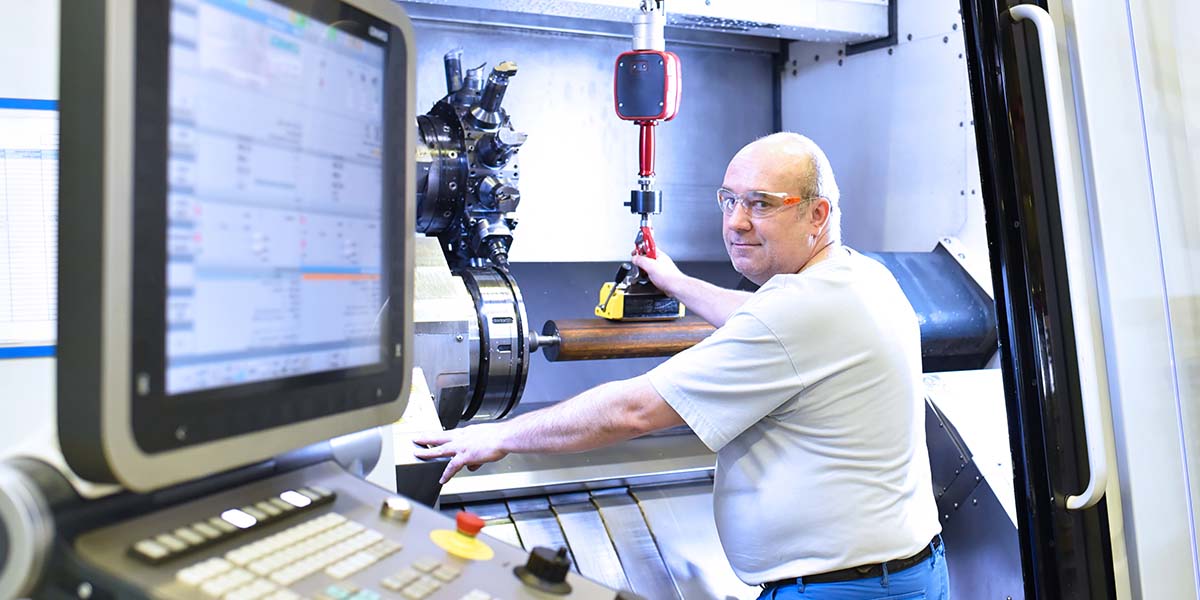
Understanding the capabilities and differences between computer numerical control (CNC) machines is important for business managers and operations leaders. Assessing the diverse capabilities of CNC technology helps your company make informed decisions that impact your productivity, quality and bottom line.
This guide provides an overview of the most common types of CNC machines, their specific functions and industrial applications, and how to get expert repair for your CNC equipment to maximize your investment.
What Is a CNC Machine?
CNC machines are the backbone of modern manufacturing. They can automate the control of machine tools with precision through preprogrammed software to control the movement and operation of tools like drills, lathes, mills and routers. This automation replaces manual control, achieving highly accurate and repeatable processes.
Their efficiency in driving precision mass production is the reason demand for CNC machines is increasing across virtually all industries. The global market is worth over $68 billion and expected to grow at a compound annual growth rate of 4% by 2031.
The Shift From NC to CNC
John T. Parsons is sometimes referred to as the father of the second industrial revolution due to his pioneering work with numerical control (NC). CNC technology advanced this concept by integrating computers, making programming more flexible and allowing rapid changes to production runs.
How CNC Automates Machine Tools
All types of CNC machines have a microcomputer inside the machine’s control unit (MCU). Operators input a digital design, often a CAD file, which is converted into a set of instructions that the CNC machine follows.
Instructions may include the following:
- G-codes: Preparatory codes for setting up the geometry and machining cycles.
- M-codes: These codes control auxiliary machine functions, such as spindle rotation direction or a tool change.
This process allows the machine to perform complex tasks with minimal human intervention, although a CNC machinist is needed to set up, test, operate and maintain the equipment.
Core Benefits of CNC Machines for Industrial Manufacturing
There are three main advantages of leveraging CNC machines in the manufacturing industry:
- Precision: They can achieve tolerances that are difficult or impossible with manual methods.
- Efficiency: Automated operation reduces cycle times and labor costs.
- Repeatability: Once programmed, a CNC machine can produce identical parts over and over with consistent quality.
What Are the 5 Common Types of CNC Machines?
CNC technology can be applied to a wide range of machinery, but most industrial applications rely on five main types of CNC machines. The key distinction between these machines is how they shape or cut the workpiece. Understanding these categories helps managers choose the right equipment for their company’s needs.
CNC Milling Machines
CNC milling machines are among the most versatile and widely used CNC tools in manufacturing. CNC mills use rotating cutting tools to remove material from a stationary workpiece. The cutting tool moves along different axes to carve out complex shapes.
Axes and production capabilities include:
- 3-axis mills move in X, Y and Z directions and are used for most basic milling tasks
- 4-axis mills add rotation around one axis, which allows for more intricate work
- 5-axis mills enable movement along two additional axes, making it possible to create highly complex, multifaceted parts in a single setup
CNC milling machines are used for producing parts with complex geometries, drilling and boring holes with high precision. They are also popular for manufacturing molds, dies and custom components for the automotive, aerospace and medical industries.
CNC Lathes
CNC lathes create symmetrical, cylindrical parts with exceptional accuracy. Unlike mills, these common CNC machines rotate the workpiece while a stationary cutting tool shapes it. This process is ideal for producing round or tubular components like shafts, rods and bushings.
Common applications:
- Shaping objects like cones, spheres and threads
- Manufacturing components for automotive, aerospace and industrial machinery
- Producing high-precision parts that need smooth, consistent finishes
CNC Plasma Cutters
CNC plasma cutters are specialized machines that cut through electrically conductive materials with speed and precision. A high-velocity jet of ionized gas melts and cuts through metal as the CNC system controls the movement of the torch for precise cuts.
A plasma cutter’s ability to slice through thick metal sheets and plates — including steel, stainless steel, aluminum and copper — makes them invaluable in heavy fabrication and construction.
CNC Laser Cutters
CNC laser cutters offer unmatched precision and versatility for a variety of materials and applications. A focused laser beam directed at the material cuts, etches or engraves it with extreme accuracy. The CNC system guides the laser along a programmed path to create intricate designs and fine details that are difficult to achieve with other cutting methods. This makes it a popular choice in industries ranging from electronics to signage and jewelry.
The versatile laser cutter can be used for:
- Metals like steel, aluminum and titanium.
- Plastics such as acrylic and polycarbonate.
- Wood and composite materials.
CNC Routers
CNC routers are designed for high-speed cutting and shaping of softer materials, making them a staple in industries like woodworking and plastics fabrication. Routers use spinning bits to cut, carve and shape materials. The CNC system controls the movement of the router head across large worktables, making it ideal for:
- Woodworking furniture, cabinetry and decorative panels.
- Sign-making activities, including cutting letters, logos and graphics.
- Plastics fabrication that involves creating parts from large sheets.
Why Expert Repair Is Crucial for Your CNC Equipment
Along with knowledge of the different types of CNC machines and making the right buying decisions, understanding the importance of maintenance and repair is crucial to optimizing your company’s investment. In fact, Fortune Business Insights warns that a lack of skilled operators and complex maintenance processes could hamper growth in the CNC machines market.
The popularity of different kinds of CNC machines will continue to surge due to their technological innovation and rising demand for high-precision products at low operating costs. However, if not performed correctly, intricate repair and maintenance processes can inadvertently damage the machines.
Turn to Global Electronic Services for Fast, Professional CNC Support
No matter which types of CNC machines your facility relies on, they all share a common dependency — sophisticated electronic components that control every aspect of their operation. When these electronics fail, whether due to wear, electrical surges or software issues, production can grind to a halt, causing costly downtime and missed deadlines.
That’s where expert repair and maintenance are critical. Global Electronic Services specializes in the repair of complex industrial electronics found in all major CNC machine brands and types. We understand the unique challenges of the different types of CNC equipment.
Contact us today to find out more about our CNC repair services and how we can help you keep your operations running smoothly.
