

Best Practices for Legacy CNC Control Repair and Preservation
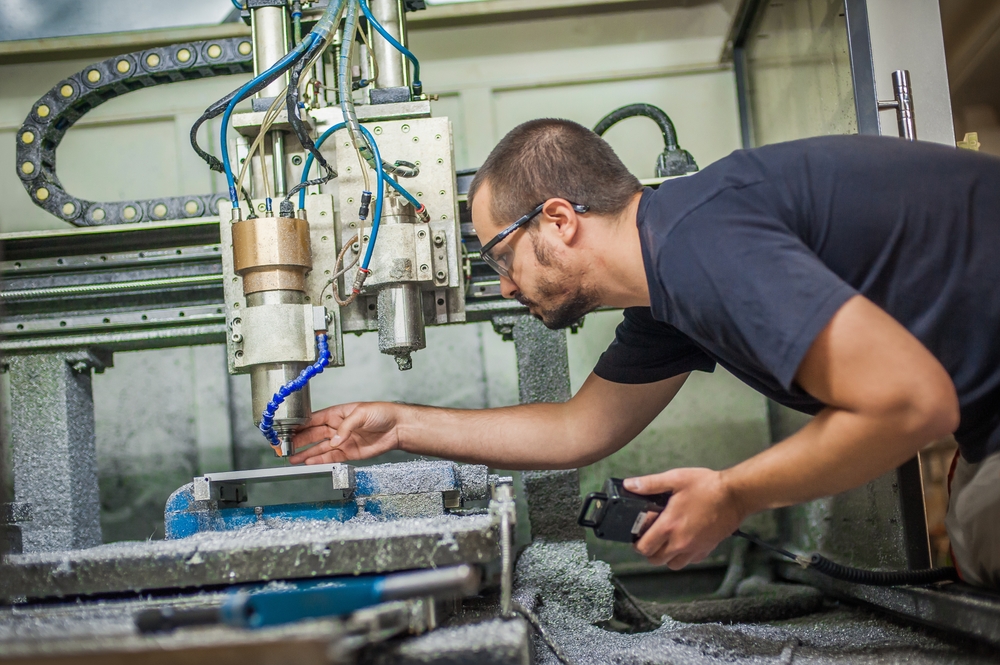
A significant share of precision machining capacity in U.S. manufacturing runs on CNC controls from the 1980s and 1990s, including Fanuc 0, 6, 15, and 16 series; Siemens 840C and early 840D; Mitsubishi Meldas; and Heidenhain TNC 355 and 415.
These controls are stable, capable, and built around machines that are paid off and well-understood. The problem isn’t the controls but that the infrastructure supporting them is eroding. Parts, documentation, and qualified technicians who know these platforms are getting harder to find. What keeps these machines running is a deliberate preservation strategy.
Back up everything
Parameter loss from a dead backup battery is the single highest-risk event for a legacy CNC. On Fanuc controls, the SRAM battery is typically a 3V lithium cell that should be replaced every three to five years — proactively, not when the low-battery alarm appears. By then, the battery may have already dropped below the threshold needed to sustain memory through a power cycle.
What’s stored in SRAM is everything the machine needs to function: parameters, PMC ladder logic, tool offsets, pitch error compensation data, and part programs. A battery failure without a current backup can mean weeks of downtime and parameter reconstruction or a machine that never cuts metal again if the original builder no longer exists.
Back up all parameter sets, PMC data, and part programs to external media, verify the backup reads correctly, and store copies in at least two locations. Log the backup date and which machine it came from. This takes less than an hour and prevents the most common catastrophic loss event in legacy CNC operation.
Source spare boards before they’re needed
Legacy CNC control boards aren’t manufactured anymore. The available supply is whatever remains in the secondary market, and it thins out every year. Source tested, repaired spares from CNC repair specialists rather than untested salvage pulls, and do it before a failure forces the decision. A spare CPU board verified against the machine’s parameter backup is worth more than one sitting unvalidated on a shelf.
Servo and spindle drive spares belong in the same inventory plan; the control and drive systems are interdependent.
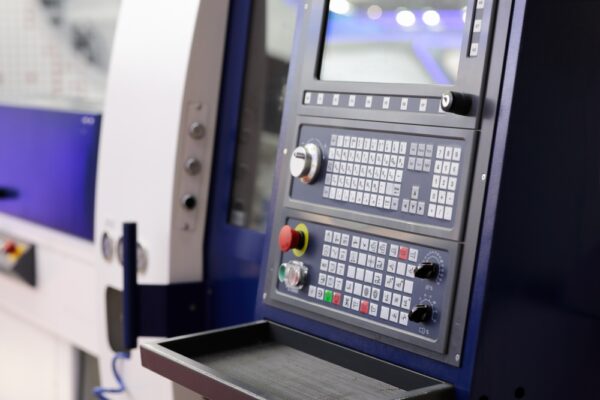
Maintain the control environment
Legacy controls are more sensitive to environmental conditions than modern units. Here are the maintenance habits that protect them:
- Check internal cooling fans during routine inspections. These small brushless units fail quietly, with no alarm, until internal temperatures trip or damage a board.
- Keep enclosure interiors clean; conductive contamination on legacy boards causes erratic behavior and shorts.
- Maintain or replace CRT monitors proactively. Flyback failures are common on aging tubes. A verified CRT-to-LCD conversion keeps the HMI available on an otherwise functional machine.
Preserve the documentation
A legacy CNC without its documentation is much harder to repair and may be impossible to restore after a catastrophic fault. What needs to be preserved:
- Machine parameters printed on paper and stored physically, not solely on the control
- PMC ladder logic with annotation on any custom modifications
- Electrical schematics and machine builder manuals
- Software version and option configuration records
- Backup media verified and stored off-machine, with copies at a second location
A machine without builder documentation and schematics can become unrepairable after a significant fault, not because the hardware can’t be fixed, but because the configuration can’t be reconstructed.
Legacy controls aren’t liabilities by default
Battery replacements, parameter backups, spare board inventory, clean operating environments, and preserved documentation address most of what takes these machines down. The facilities that treat preservation as an ongoing practice keep their legacy CNC controls running for decades. The ones that wait until a failure forces the decision find out what they’re missing at the worst possible time.
