

Air Treatment Units: The Unsung Hero of Pneumatic Reliability
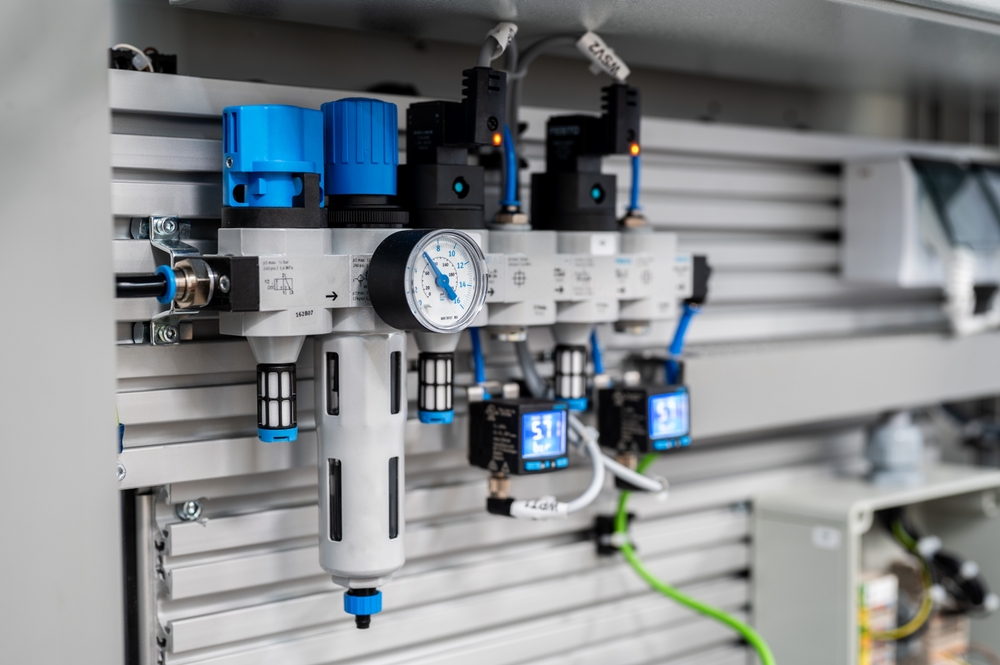
Many manufacturing professionals blame the compressor when pneumatic systems fail. The real culprit usually sits downstream — ignored and underserviced. Air treatment units quietly prevent the majority of pneumatic failures, yet they rarely get attention until something breaks. These components don’t just clean air. They protect entire pneumatic systems from contamination that destroys equipment and stops production lines.
Contamination takes a toll on equipment
Moisture, particles, and oil work together to destroy pneumatic systems. Water corrodes metal components and swells seals. Particles act like sandpaper on moving parts. Oil coats sensors and creates erratic control behavior. These contaminants turn reliable equipment into maintenance nightmares.
Consider a simple data point: Clean pneumatic cylinders are rated for about 10 years, yet contaminated ones can fail within just a couple. Valve replacements become expensive when corrosion takes hold, and production downtime costs add up quickly. Multiply that across an entire facility, and contamination becomes the most expensive problem most plants never properly address.

Air treatment components work as a system
Filter-regulator-lubricator (FRL) combinations handle contamination systematically. Each component protects the others and downstream equipment. Here’s how they work together:
- Particulate filters remove solid contaminants first. Standard filters capture particles down to 40 microns — roughly the size of powder particles. High-efficiency filters reach 0.01 microns and remove oil aerosols. Filter selection depends on downstream equipment sensitivity and contamination levels in your facility.
- Coalescent filters and dryers remove moisture through different methods. Coalescent filters force water droplets to combine and drain away. Refrigerated dryers cool air below its dew point and condense moisture. Desiccant dryers absorb water vapor chemically.
- Pressure regulators maintain consistent downstream pressure regardless of supply variations. Compressors create pressure fluctuations during loading and unloading cycles. Regulators smooth these variations and protect sensitive components from pressure spikes. Consistent pressure also ensures actuators operate at designed speeds and forces.
- Lubricators add controlled amounts of oil to air streams when downstream components need lubrication. Not all pneumatic equipment requires lubricated air. Modern seals and materials may work better dry. Check equipment specifications before adding lubrication to avoid contaminating components designed for oil-free operation.
Maintenance pays for itself
Air treatment maintenance is straightforward and inexpensive. Visual checks take minutes but prevent expensive failures. When it comes to servicing, replace filter elements based on pressure drop, not calendar schedules — typically when pressure drop reaches 10 psi across the housing. Drain moisture weekly in most environments, and verify pressure settings quarterly with calibrated gauges.
The economics favor prevention. Maintenance costs for air treatment typically run 5 to 10% of the total investment sum per year, while emergency repairs for contamination damage often cost many times more (plus production losses). Small investments in routine care prevent the expensive failures that shut down production lines.

Stop chasing symptoms and start preventing failures
Too many facilities operate backwards — they fix problems after they happen instead of stopping them upfront. Air treatment units flip this approach. They eliminate the root causes of pneumatic failures before expensive damage occurs.
Walk through your facility and look at your air treatment setups. Are they properly sized for your equipment? When did you last check pressure settings or replace filter elements? The answers to these questions determine whether you’re preventing problems or just waiting for the next expensive failure to teach you what you should have done differently.
