

6 Signs a Servo Drive Needs Repair, Not Replacement
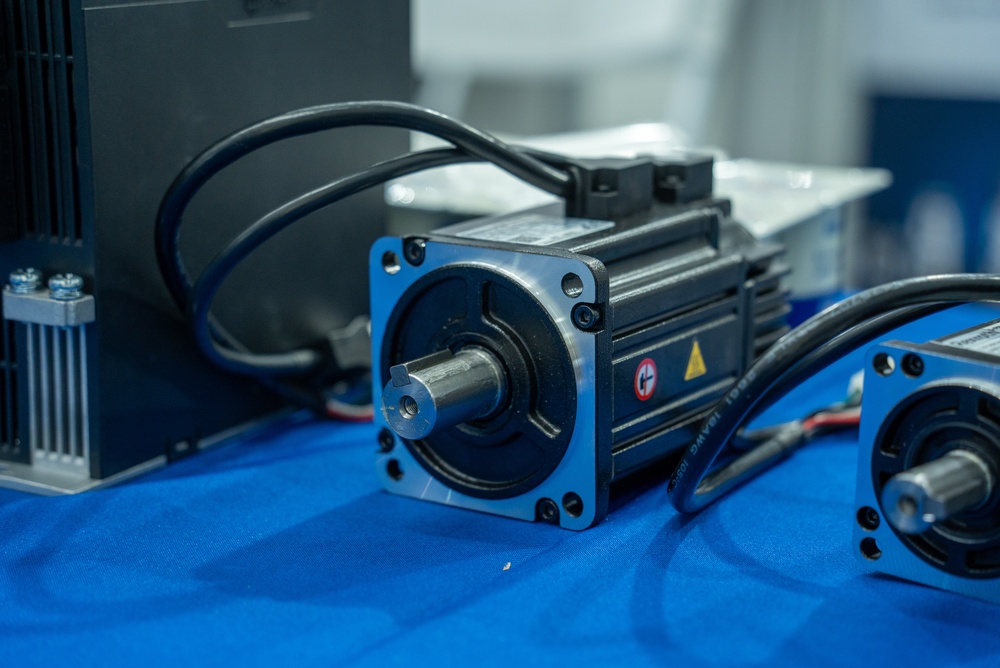
A drive that keeps tripping doesn’t automatically need a replacement quote. The actual failure is almost always contained to a single part — a capacitor bank, a power module, or a fan — and that part costs far less to fix than the whole unit costs to replace.
The six signs below show which one is failing before anyone reaches for a purchase order.
1. Repeated fault codes that keep resetting
A fault that clears with a reset and comes back an hour later isn’t random. Overcurrent, overvoltage, and undervoltage trips that repeat under the same load (or at the same point in a cycle) indicate a specific failing component behind the fault, not a drive that’s simply worn out. Tracing an overload trip back to its actual cause beats clearing the alarm and waiting for it to happen again.
2. Bulging, leaking, or vented capacitors
DC bus capacitors are usually the first component in a servo drive to age out, since they carry ripple current every cycle the drive runs. An electrolytic capacitor nearing end of life often shows it physically first: a bulged top, a vented seal, or residue around the base. That’s a visible, checkable sign before the drive starts throwing bus voltage faults, and replacing a handful of capacitors costs far less than a new drive.
3. Overheating or thermal shutdown
A drive that trips on a thermal fault, or feels hotter than it used to at the same load, is typically fighting one of two problems: a cooling fan that’s slowing down or has already stopped, or a power module that’s degrading and generating more heat than it should for the same current. Dust packed into the heat sink makes either problem worse. Both are serviceable without touching the rest of the drive.

4. Erratic output with a good motor
Position or speed instability that persists after the motor and encoder test clean points back at the drive, not the motor. Bearings, windings, and brake drag are the usual motor-side culprits. When those check out and the erratic behavior remains, the drive’s control loop or power stage is the more likely source.
5. Burnt smell or visible board damage
Scorching, discoloration, or a burnt odor around the power module means thermal or electrical stress has already done damage, normally from a shorted component or a connection that’s been running hot for a while. The damage is often contained to one section of the board, which keeps the repair local instead of turning into a full drive replacement.
6. Intermittent communication or feedback faults
Fieldbus dropouts or feedback errors that come and go can originate on either side of the cable, but a fault that follows the drive regardless of which motor is connected indicates the drive’s feedback circuit or communication card. Ruling out a failing motor encoder first keeps the diagnosis from landing on the wrong side of the cable.
A modular unit built for component-level repair
Every sign above traces back to one part of the drive, not the whole assembly. A servo drive is built in modular sections for this reason. A repair shop can replace a capacitor bank or a power module without touching a working control board.
Full replacement makes sense when damage has spread across multiple sections, or the drive is obsolete enough that parts are hard to source. Outside of that, a full replacement is usually solving a problem a repair could have handled for less.
