

The Role of Operator Training in Preventing Equipment Failures
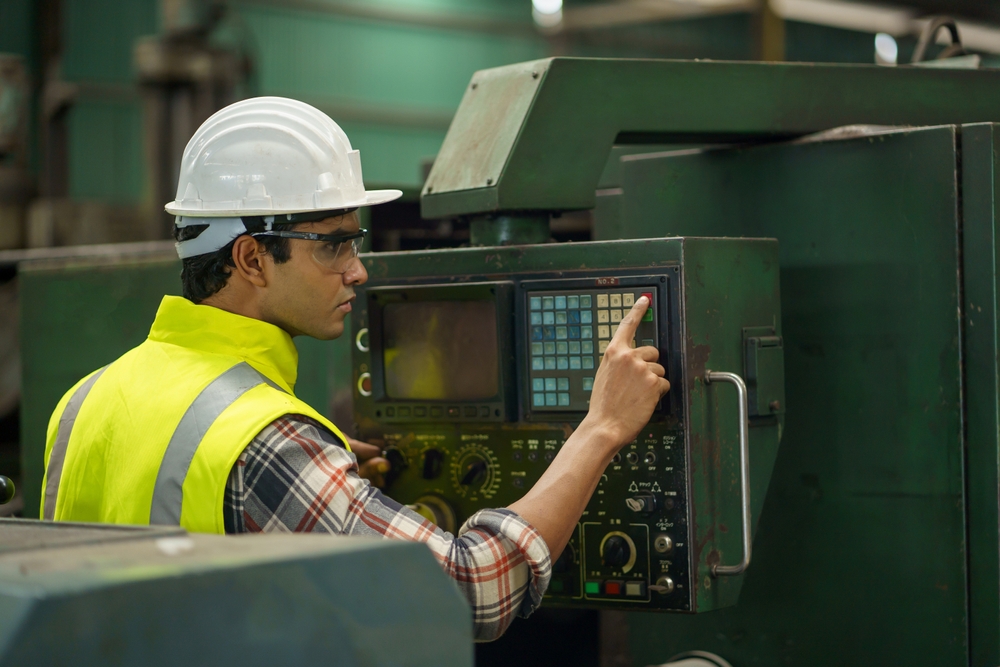
Operators are the first line of defense against equipment failure. Every adjustment they make, every sound they hear, and every decision they make on the floor affects machine performance. Even the most sophisticated systems depend on human awareness and skill to run reliably. When operators understand their equipment — how it should sound, move, and respond — they’re able to recognize problems early and prevent costly breakdowns.
Unfortunately, the opposite is also true. Without proper training, small mistakes can compound into serious damage. Let’s explore how operator training influences equipment health and what steps manufacturers can take to strengthen reliability from the ground up.
Why operator training matters for equipment reliability
Even the most advanced machines depend on the people running them. A well-trained operator understands how equipment behaves when it’s performing correctly — and when something’s off. Skilled operators follow proper procedures and stay alert to subtle changes in sound, vibration, or temperature that signal early problems. The better the training, the fewer surprises.
Common operator mistakes that lead to failures
Operator errors don’t usually happen from carelessness — they come from a lack of understanding or inconsistent habits. Some of the most common mistakes include:
- Improper startup or shutdown: Sudden surges or stops can shock hydraulic and electrical systems.
- Ignoring alarms or indicators: Early warnings go unnoticed until major damage occurs.
- Running outside rated limits: Overstressing motors, pumps, or actuators shortens their lifespan.
- Poor lubrication or cleaning habits: Neglecting these basics leads to friction, overheating, and wear.
- Bypassing safety systems: Disabling interlocks or overrides puts equipment and personnel at risk.
How training helps to prevent problems
Good training builds awareness and confidence. When operators understand not just what to do but why it matters, they’re more likely to make informed decisions under pressure. Training teaches them how to recognize early warning signs like subtle vibration, fluctuating readings, or unusual noise — symptoms that often appear before failure occurs. It also reinforces proper communication with maintenance teams, so small issues are logged and addressed before they become breakdowns.
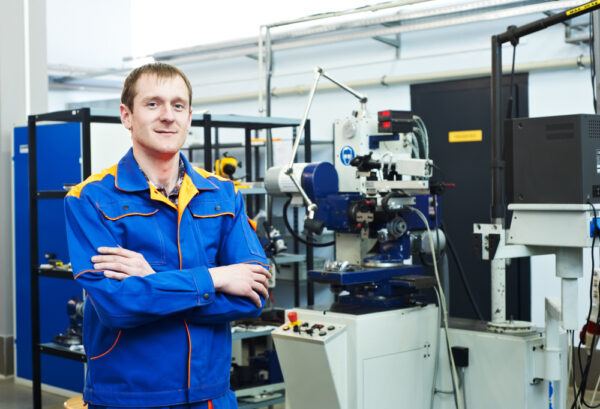
What operator training should include
A well-rounded training program goes beyond a one-time orientation. It should combine hands-on learning with clear technical instruction. Core components include:
- Correct startup and shutdown procedures for each piece of equipment
- Understanding load limits, lubrication schedules, and inspection routines
- Basic troubleshooting to distinguish minor adjustments from maintenance-level repairs
- Familiarity with digital monitoring systems or sensors used for predictive maintenance
- Communication protocols for reporting issues promptly
It’s equally important to ensure training materials are based on OEM documentation, not just passed-down habits from previous operators.
How often training should be updated
Operator skills shouldn’t stay static. As equipment evolves, so should the people running it. Formal refreshers should take place at least once a year, with additional sessions whenever new technology or procedures are introduced. Short, focused “toolbox talks” during shift meetings can also reinforce critical points without disrupting production.
Benefits of a well-trained operations team
A well-trained operator team is one of the most effective reliability tools a facility can invest in. When operators know their equipment inside and out, the benefits show up everywhere:
- Fewer breakdowns and unplanned shutdowns
- Longer machine life and better return on investment
- Improved energy efficiency and reduced waste
- Safer working conditions with fewer incidents and near-misses
The human factor in reliability
Equipment reliability starts with people, not machines. Every correct procedure followed, every inspection completed, and every alarm responded to adds up to fewer failures and more uptime. When operators understand how their actions affect equipment health, reliability stops being a maintenance goal and becomes a daily practice.
